
Understanding the Impact of Local Regulations on Food Packaging Equipment
In the dynamic world of food production, the role of packaging equipment is crucial. However, the impact of local regulations on these systems is often underestimated. Understanding these regulations can significantly influence operational efficiency and compliance.
Local regulations can vary dramatically, affecting everything from the materials used to the processes involved in packaging. For businesses operating in multiple regions, staying compliant with these diverse regulations can be a complex task. This blog post explores how local laws shape the food packaging equipment landscape.
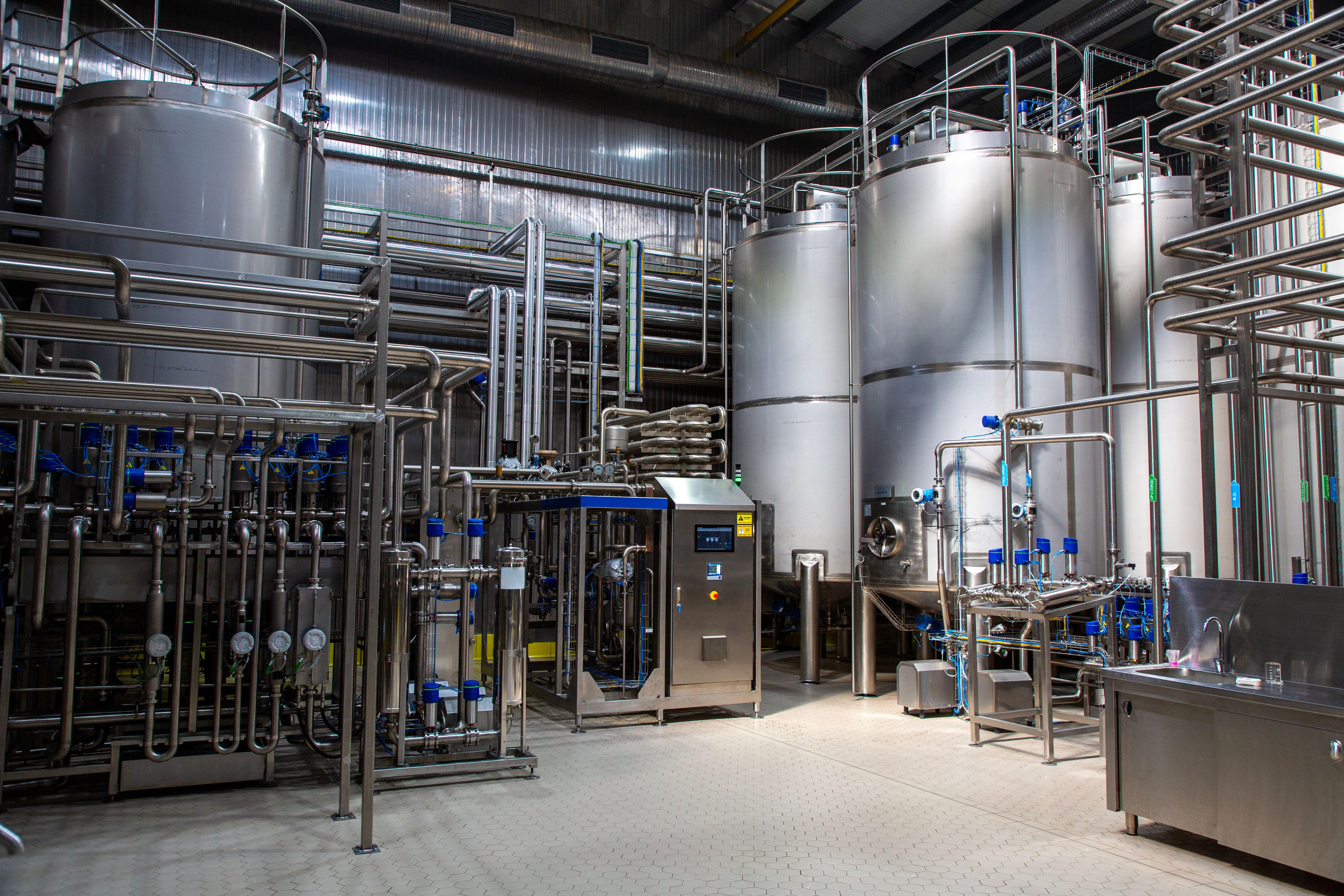
The Importance of Compliance
Compliance with local regulations is not just about avoiding fines or legal issues; it’s about ensuring the safety and quality of food products. Regulations are designed to protect consumers and ensure that food is packaged and stored safely. Non-compliance can lead to serious repercussions, including product recalls and damage to brand reputation.
For instance, certain regions may enforce strict guidelines on the use of plastics or require specific labeling on food packages. Understanding these requirements is essential for businesses to maintain their market presence and trust among consumers.
Materials and Environmental Considerations
One of the significant areas affected by local regulations is the choice of packaging materials. With increasing environmental awareness, many regions are imposing restrictions on non-biodegradable materials. This shift towards sustainable packaging has prompted companies to innovate and adapt.

Businesses must stay informed about the latest regulations and trends in sustainable packaging. This not only ensures compliance but also appeals to environmentally conscious consumers, potentially enhancing brand loyalty and market share.
Challenges in Adapting to Local Regulations
Navigating the complex web of local regulations can be challenging. Different regions may have unique requirements related to hygiene, material usage, and labeling. Adapting equipment to meet these standards often requires investment in new technologies or processes.
- Understanding regional differences in regulations
- Investing in adaptable and flexible packaging equipment
- Training staff to ensure compliance
Technological Innovations in Packaging Equipment
To combat these challenges, many companies are turning to technological innovations. Advanced packaging equipment that can easily adapt to various regulations is becoming increasingly popular. Automation and smart technology contribute to more efficient and compliant operations.
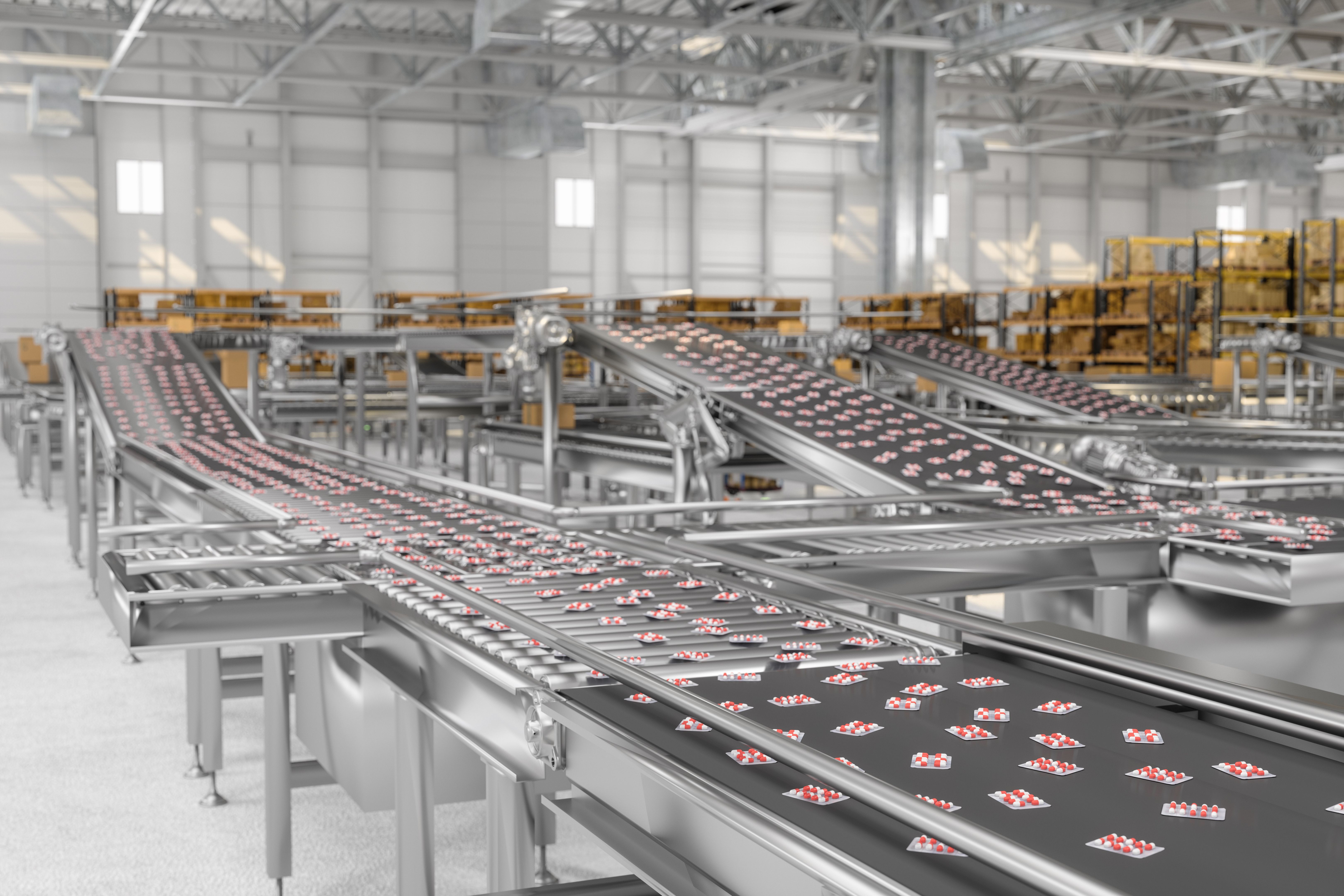
Such innovations not only help in compliance but also improve the overall efficiency and productivity of packaging operations. As a result, businesses can remain competitive while adhering to local regulations.
Future Trends and Considerations
Looking ahead, the trend towards stricter regulations and sustainable practices is expected to continue. Companies must be proactive in understanding and anticipating these changes to remain compliant and competitive. Engaging with industry experts and participating in regulatory discussions can provide valuable insights.
Ultimately, the impact of local regulations on food packaging equipment is significant and multifaceted. By staying informed and adaptable, businesses can navigate these challenges and continue to thrive in the global marketplace.