
The Role of Automated Food Processing in Sustainable Packaging Solutions
In an era where environmental concerns are at the forefront, the food industry is continuously seeking innovative ways to reduce its ecological footprint. One of the promising advancements in this domain is the integration of automated food processing in developing sustainable packaging solutions. This approach not only enhances efficiency but also contributes significantly to environmental conservation.
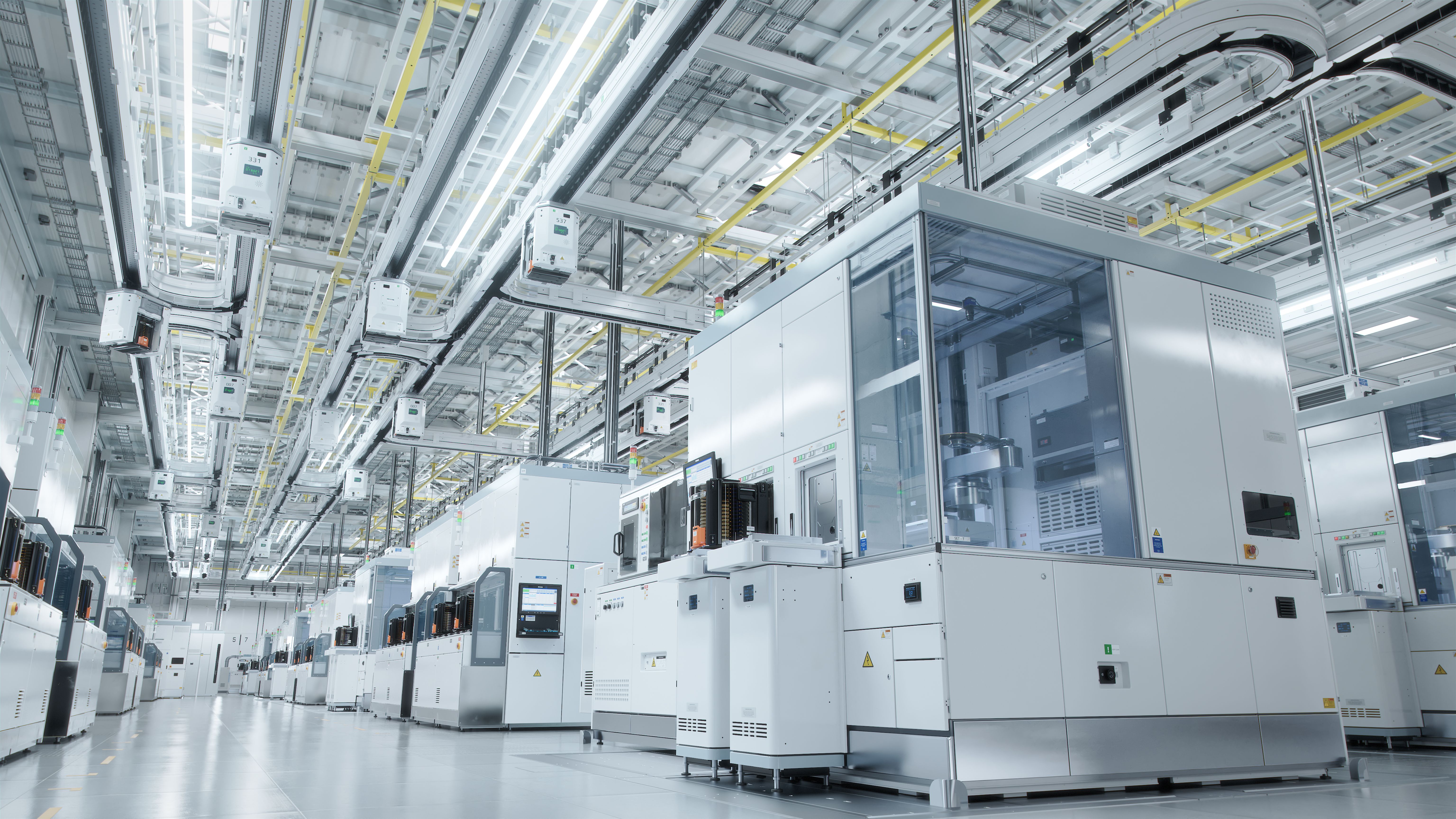
The implementation of automation in food processing allows for precise control over production processes. This precision ensures minimal waste generation, which is a crucial step towards sustainability. By reducing excess, companies can lower their environmental impact and save on raw materials, making the production process more eco-friendly.
Enhancing Material Efficiency
Automated systems are designed to maximize resource utilization. They can be programmed to use just the right amount of materials needed for packaging, thereby reducing unnecessary waste. This efficiency is especially important when using biodegradable or recyclable materials, as it ensures that these resources are not squandered.
Moreover, automation enables the integration of advanced materials that are often difficult to handle manually. For instance, the use of plant-based plastics or other innovative materials can be seamlessly incorporated into automated production lines, paving the way for more sustainable packaging options.
Reducing Carbon Footprint
The role of automation extends beyond mere material efficiency. It also plays a vital role in reducing the carbon footprint of food processing and packaging operations. Automated systems are typically more energy-efficient than manual processes, consuming less power and reducing greenhouse gas emissions.
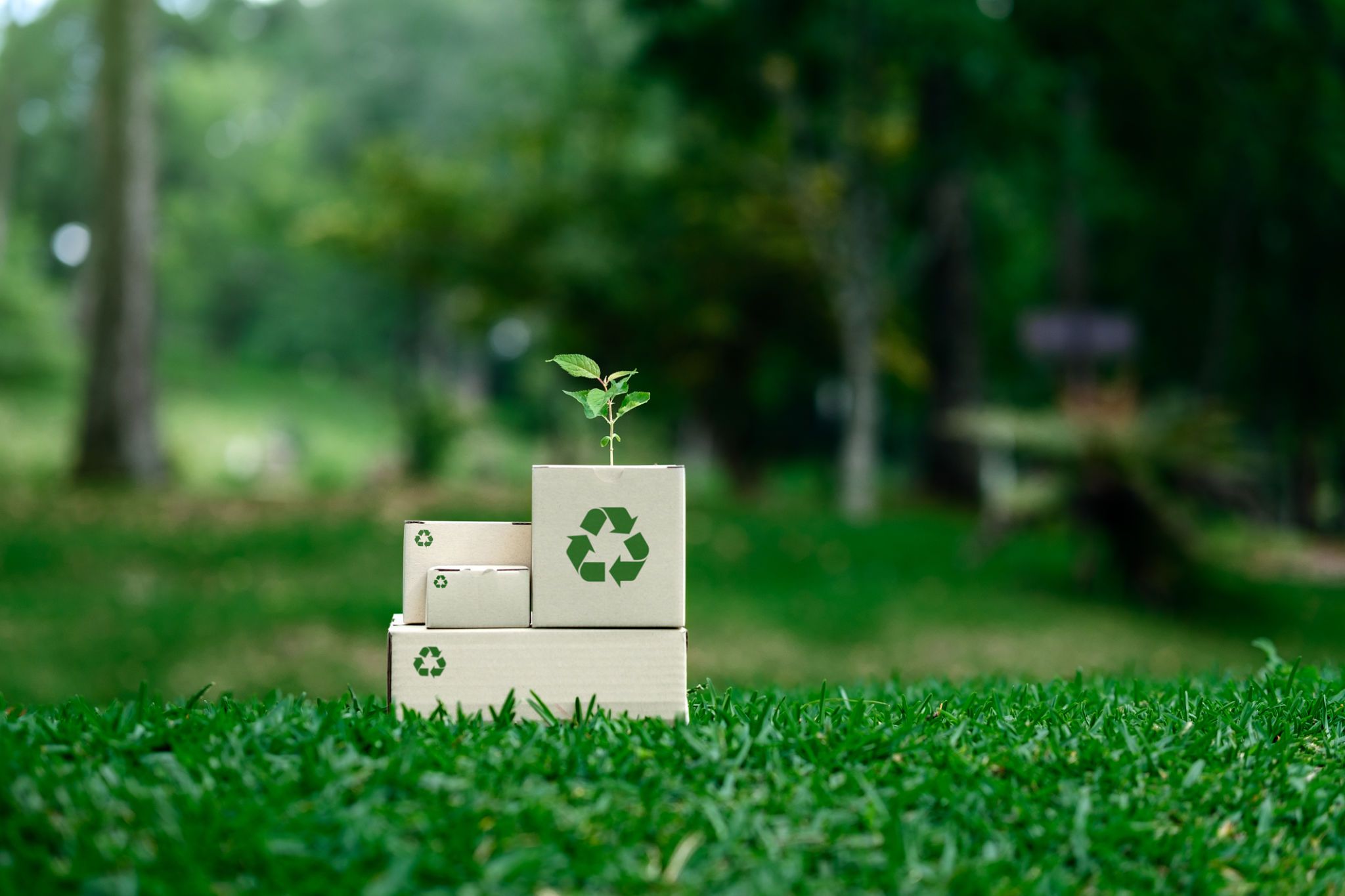
By optimizing production lines, companies can cut down on energy usage, contributing to a more sustainable overall operation. This reduction in energy consumption not only benefits the environment but also translates into cost savings for manufacturers, making sustainability financially viable.
Innovative Packaging Designs
Automation opens up new possibilities for innovative packaging designs that were previously unattainable. With precise control over production processes, manufacturers can experiment with complex shapes and structures, enhancing both functionality and aesthetics.
- Customizable shapes for better product protection
- Innovative designs for improved consumer appeal
- Functional features such as resealability or portion control

Ensuring Product Safety and Quality
One of the key benefits of automated food processing is the enhancement of product safety and quality. Automated systems reduce the risk of contamination by minimizing human contact with food products. This ensures that the food remains safe for consumption while maintaining high quality standards.
Furthermore, automated processes can consistently monitor and adjust conditions such as temperature and humidity, ensuring that the packaging maintains its integrity and the food stays fresh longer. This not only reduces food wastage but also enhances consumer satisfaction.
The Future of Sustainable Packaging
The integration of automated food processing with sustainable packaging solutions is a promising trend that is likely to continue growing. As technology advances, we can expect even more sophisticated systems that further enhance efficiency and sustainability.
In conclusion, automated food processing plays a crucial role in the development of sustainable packaging solutions. By improving material efficiency, reducing carbon footprints, enabling innovative designs, and ensuring product safety, automation is paving the way for a more sustainable future in the food industry.