
The Impact of Automated Food Processing on Sustainability and Efficiency
The Role of Automation in Modern Food Processing
In recent years, the food processing industry has witnessed a significant transformation, thanks to advances in automation technology. Automated food processing systems have not only increased efficiency but also contributed to sustainability efforts within the industry. These systems streamline operations, reduce waste, and enhance food safety, making them a critical component in the modern food supply chain.
Efficiency Gains Through Automation
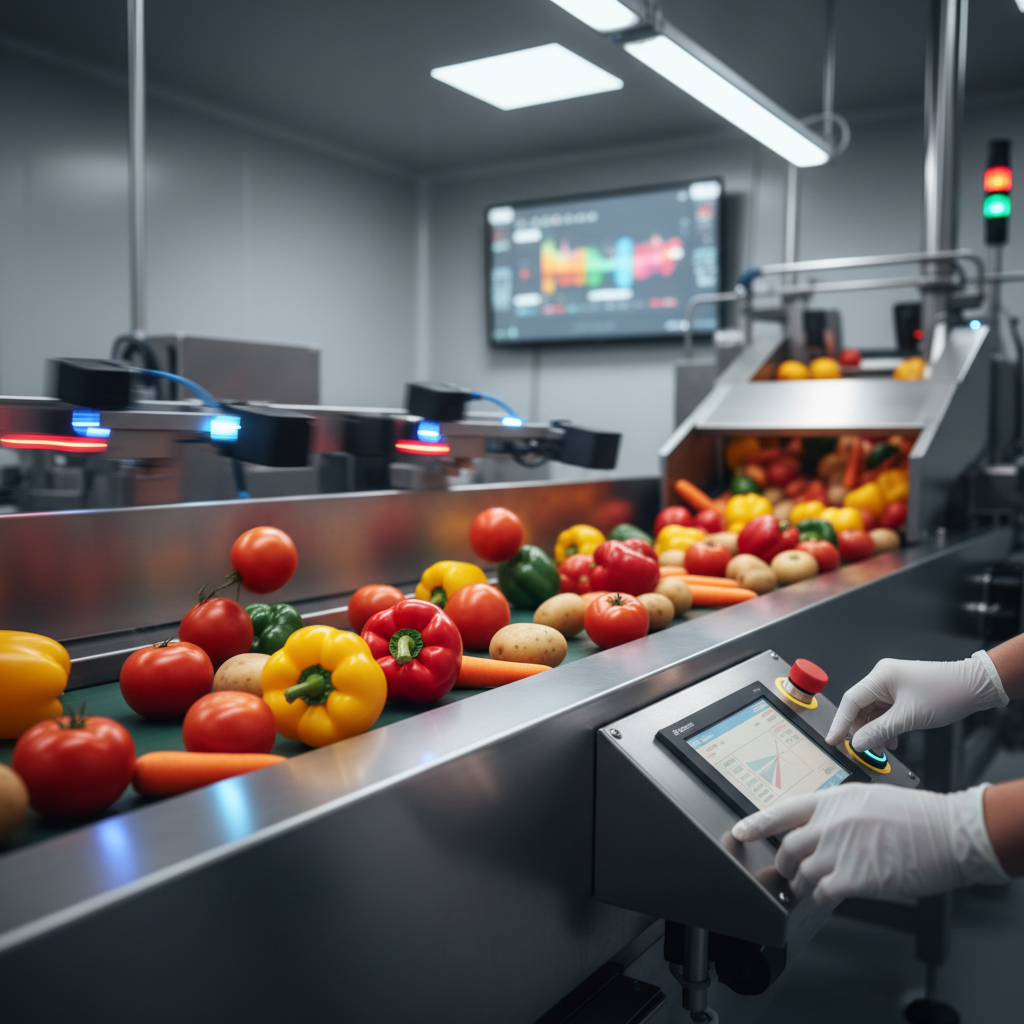
One of the most notable benefits of automated food processing is the substantial increase in efficiency. Automated systems can operate 24/7 without fatigue, significantly reducing the need for manual labor. This not only cuts down on labor costs but also accelerates production times. Additionally, automation ensures consistent product quality, minimizing the likelihood of human error.
Efficiency is further enhanced through the integration of advanced technologies such as robotics and AI. These technologies allow for precise control over processing parameters, ensuring optimal outcomes for each batch of food. This level of precision is especially crucial in meeting stringent quality standards and regulatory requirements.
Reducing Waste and Enhancing Sustainability
Sustainability is a growing concern in the food industry, and automated processing systems play a pivotal role in addressing this issue. By optimizing resource use, these systems significantly reduce waste. For instance, automated sorting and grading technologies ensure that only high-quality raw materials are processed, minimizing the discard rate.
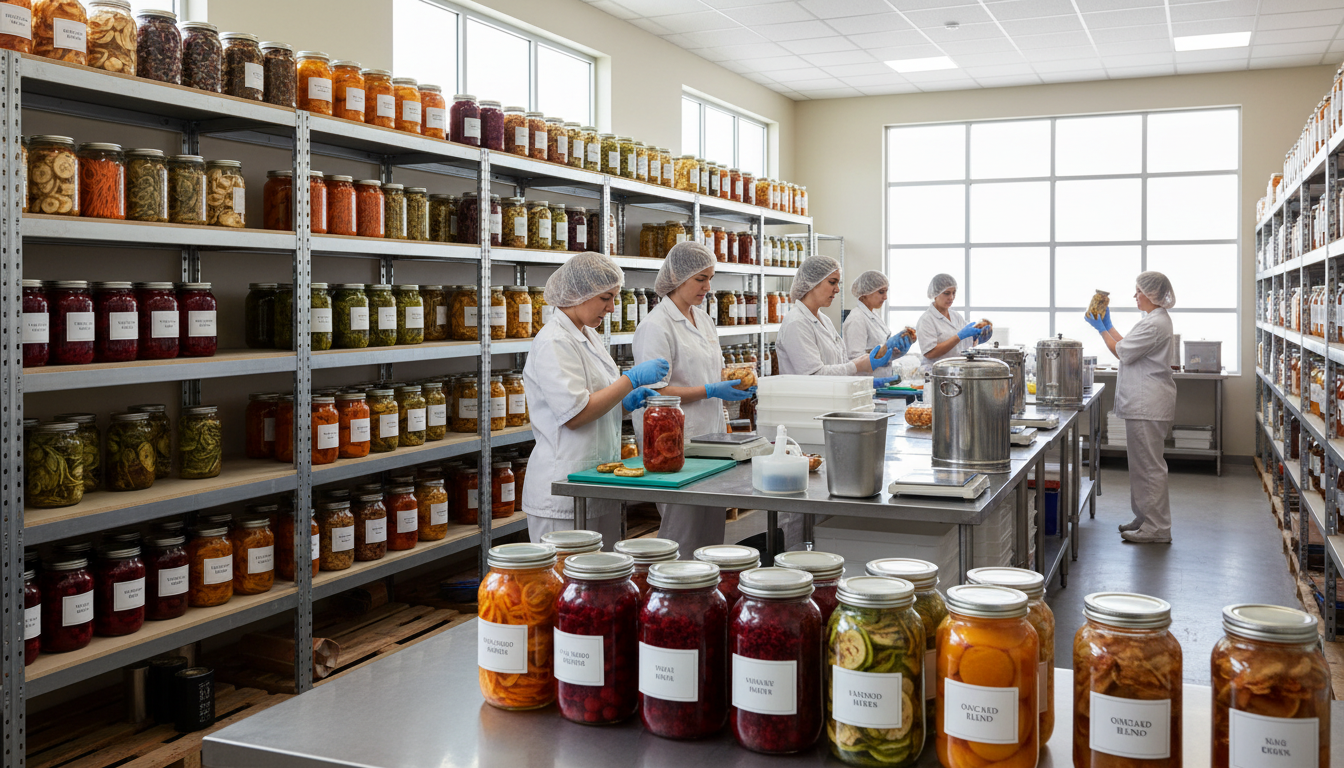
Moreover, automation can help in reducing energy consumption. Energy-efficient machinery and smart sensors ensure that processes are only active when necessary, conserving energy and reducing the carbon footprint of food processing facilities. This shift towards more sustainable practices is essential for meeting global environmental goals.
Improving Food Safety and Quality
Food safety is of paramount importance, and automation enhances safety measures by minimizing human contact with food products. Automated systems equipped with sensors and real-time monitoring can detect contaminants and anomalies, ensuring that only safe and high-quality products reach consumers.
Furthermore, traceability is improved through automation. With detailed records of each processing step, it becomes easier to trace the origin of any issues, facilitating quicker responses to potential food safety threats. This capability not only protects consumers but also safeguards the reputation of food brands.

The Future of Automated Food Processing
The future of food processing is undoubtedly tied to further advancements in automation. As technology continues to evolve, we can expect even greater levels of efficiency and sustainability. Innovations such as machine learning and predictive analytics will enable more intelligent processing systems capable of adapting to dynamic market demands.
Additionally, as consumer preferences shift towards healthier and more sustainable food options, automated systems will be essential in developing and producing these products at scale. The integration of new technologies will ensure that the food processing industry remains responsive to these changing consumer needs.
In conclusion, automated food processing is revolutionizing the industry by improving efficiency, sustainability, and safety. As these technologies advance, they will continue to play a crucial role in shaping the future of food production, ensuring that it remains sustainable and efficient for generations to come.