
The Benefits of Automatic vs Manual Packing Systems: A Comprehensive Guide
Introduction to Packing Systems
In today's fast-paced business world, choosing the right packing system can significantly impact operational efficiency. Companies must decide between automatic and manual packing systems, each offering unique advantages. Understanding these benefits can help businesses make informed decisions that align with their operational goals.
Understanding Automatic Packing Systems
Efficiency and Speed
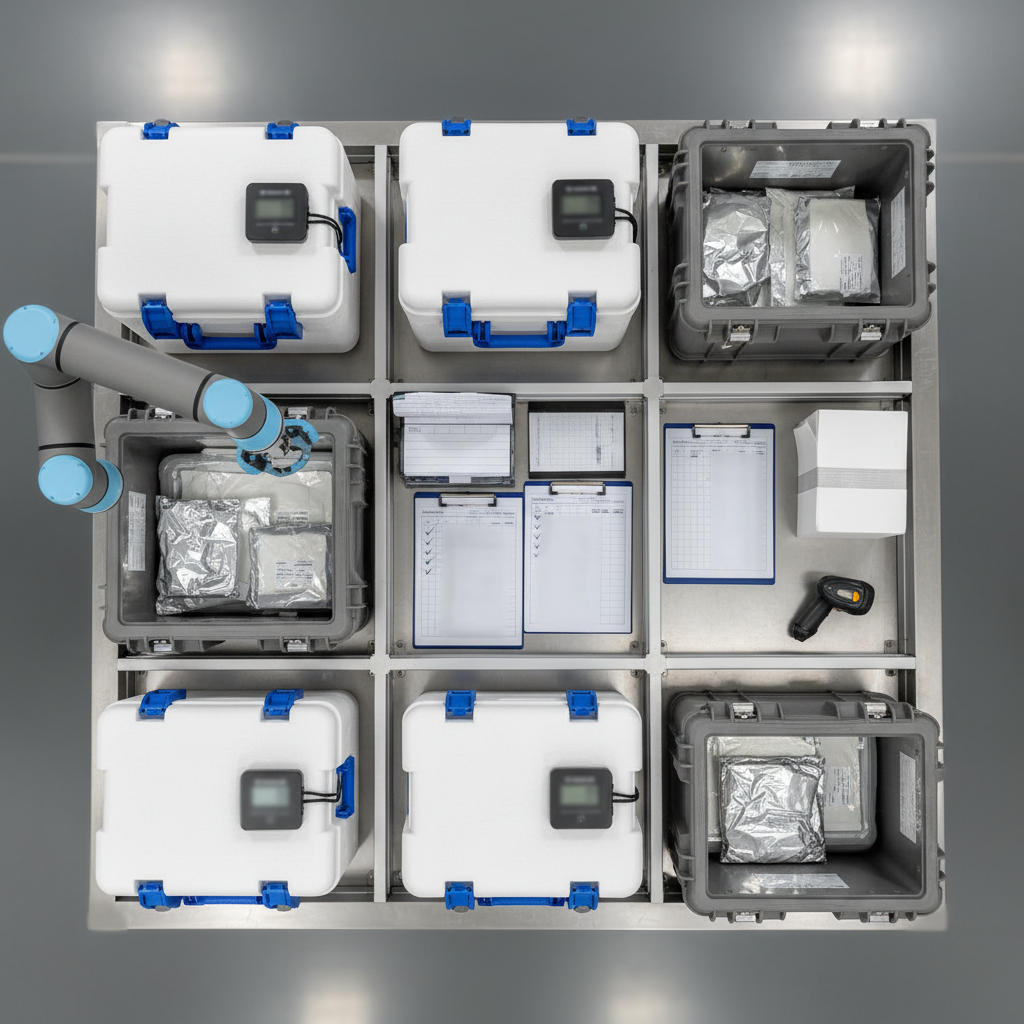
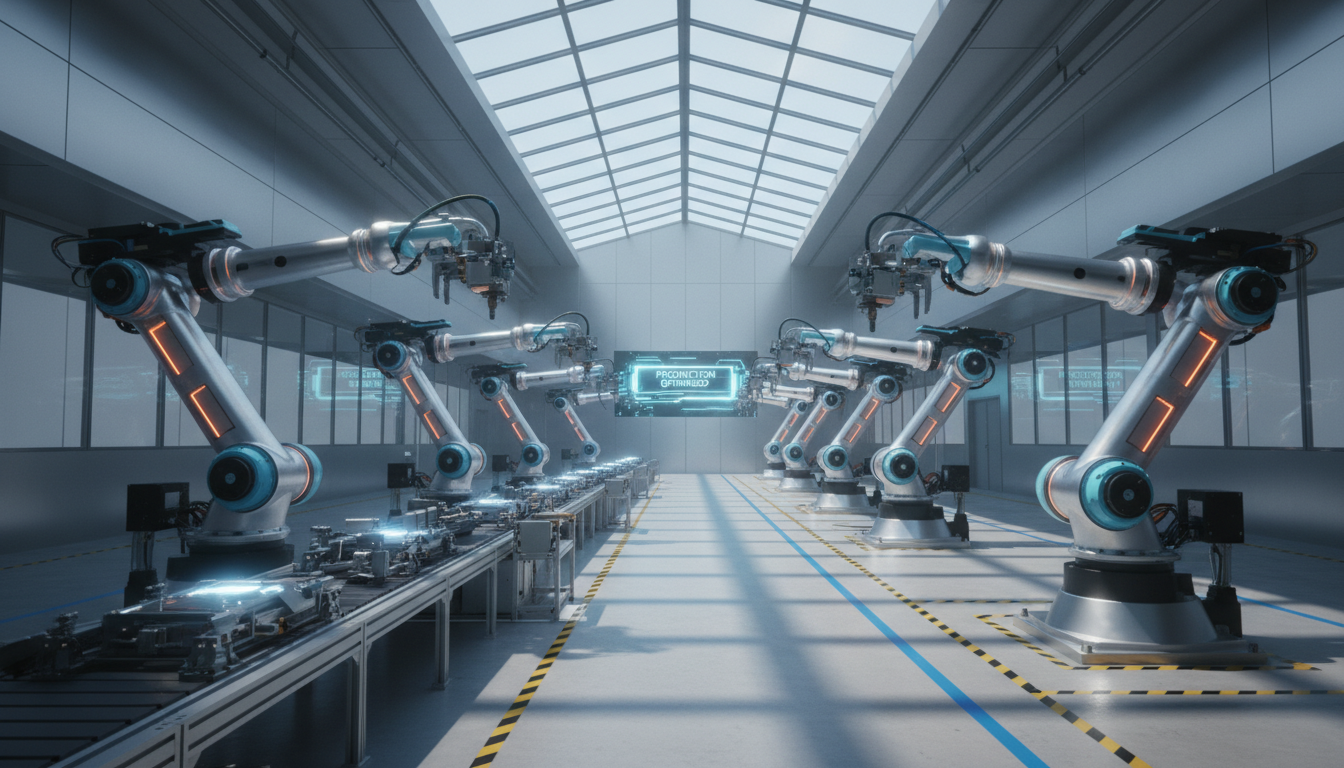
Automatic packing systems are designed to enhance speed and efficiency. These systems can handle large volumes of products quickly, reducing the need for manual labor and minimizing the risk of human error. As a result, businesses can maintain consistent productivity levels.
Cost-Effectiveness
While the initial investment in automatic packing systems might be higher, the long-term savings are substantial. Reduced labor costs and increased throughput can lead to significant cost reductions over time. Companies often find that these systems pay for themselves within a few years.
Exploring Manual Packing Systems
Flexibility and Control
Manual packing systems offer greater flexibility and control over the packing process. They are ideal for businesses that handle a wide variety of products and require frequent adjustments. The adaptability of manual systems can be a significant advantage for businesses with diverse product lines.
Lower Initial Investment
For small businesses or startups, manual packing systems are often more accessible due to their lower initial cost. This affordability allows companies to allocate resources to other critical areas while still maintaining effective packing operations.

Comparing Labor Requirements
One of the primary differences between automatic and manual systems is the labor requirement. Automatic systems require minimal human intervention, focusing on technical oversight and maintenance. In contrast, manual systems rely heavily on human labor, which can be advantageous in regions with lower labor costs.
Quality Control Considerations
Both systems have implications for quality control. Automatic systems provide consistency and precision, significantly reducing the likelihood of defects. Manual systems, however, allow for more nuanced quality checks, as human workers can identify subtle issues that machines might miss.
Environmental Impact
Automatic systems often boast a lower environmental impact due to their energy efficiency and reduced waste. Many modern machines are designed with sustainability in mind. On the other hand, manual systems might generate more waste but offer opportunities for recycling and reuse through human oversight.

Making the Right Choice for Your Business
The decision between automatic and manual packing systems depends on various factors, including business size, budget, and product type. Companies must weigh the benefits of speed and efficiency against flexibility and control to determine which system aligns best with their operational needs.
Ultimately, the right choice will depend on your company's specific goals and resources. Investing in the right packing system can lead to improved productivity, cost savings, and enhanced product quality.