
Innovations in Automated Food Processing: What’s Revolutionizing the Industry?
Introduction to Automated Food Processing
In recent years, the food processing industry has witnessed a remarkable transformation, thanks to the integration of automated technologies. These innovations are not only enhancing efficiency but also ensuring higher quality and safety standards. Businesses within this sector are increasingly adopting automation to meet growing consumer demands and stay competitive.
Robotics in Food Processing
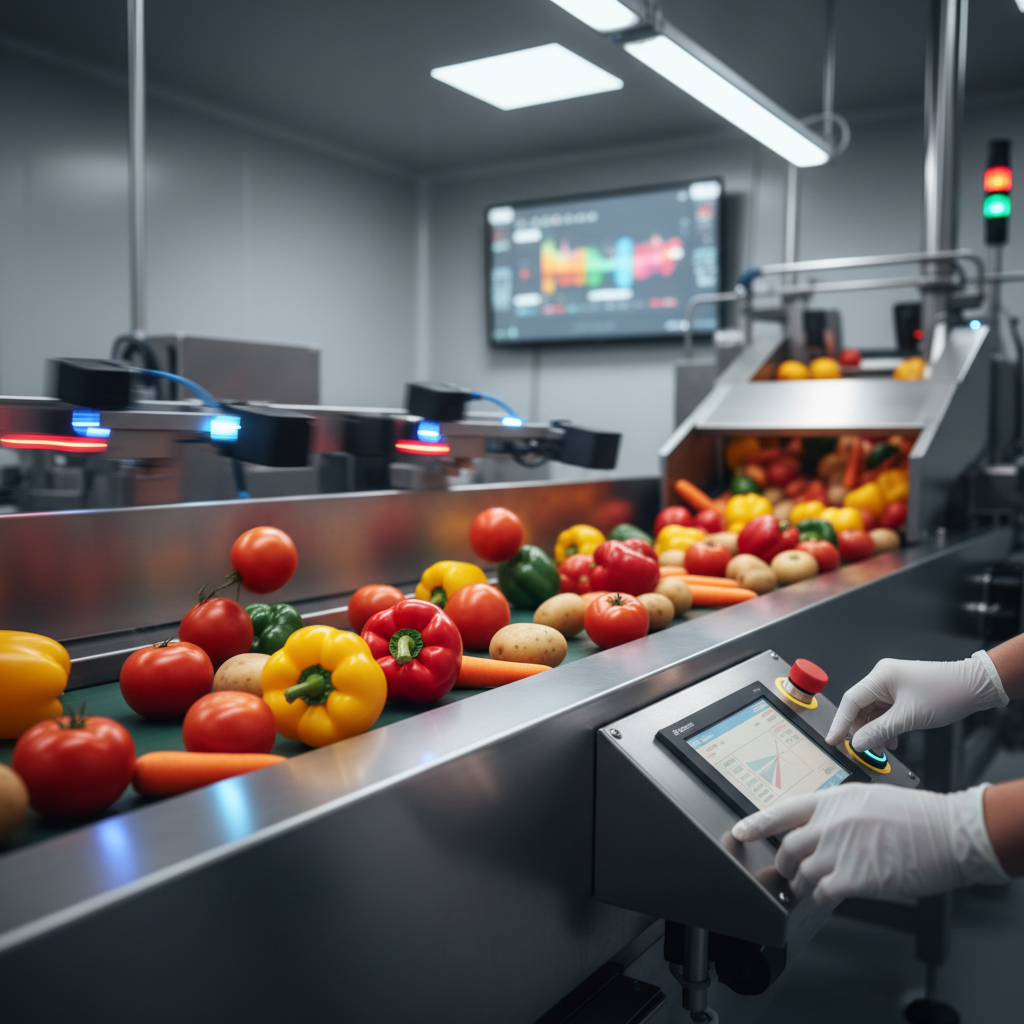
One of the most significant advancements in automated food processing is the use of robotics. Robots are now handling tasks such as sorting, packaging, and even cooking with precision and speed. The flexibility of robotic systems allows them to adapt to various processes, reducing the need for human intervention, which in turn minimizes errors and increases productivity.
Moreover, robots equipped with advanced sensors and vision systems can handle delicate food items without causing damage. This capability is particularly beneficial in industries dealing with fragile products like fruits and vegetables.
Artificial Intelligence and Machine Learning
Artificial intelligence (AI) and machine learning (ML) are playing pivotal roles in revolutionizing food processing. These technologies enable systems to learn from data, predict outcomes, and make informed decisions. For instance, AI-driven quality control systems can detect defects in products faster than traditional methods.

Additionally, AI is being used to optimize supply chains by predicting demand and adjusting production schedules accordingly. This helps in reducing waste and ensuring that consumers receive fresh products.
Advanced Packaging Solutions
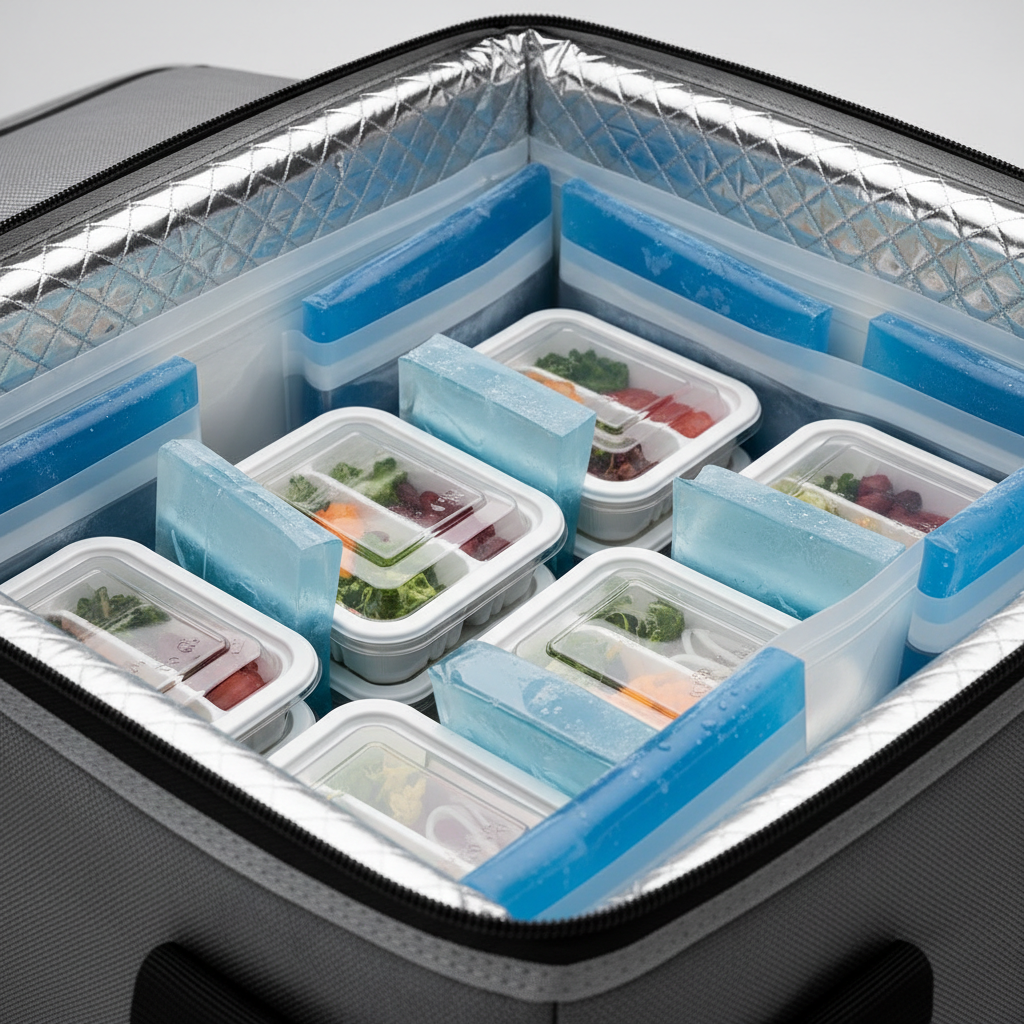
Packaging is a critical aspect of food processing, and innovations in this area are making significant impacts. Automated packaging systems are now more efficient, offering features like vacuum sealing and modified atmosphere packaging, which help in extending the shelf life of products.
Furthermore, smart packaging solutions equipped with sensors can monitor the freshness of food and provide real-time data to both manufacturers and consumers. This ensures that the quality of food remains uncompromised throughout the supply chain.
Sustainable Processing Technologies
As environmental concerns grow, the food processing industry is adopting sustainable technologies to reduce its carbon footprint. Automated systems designed for energy efficiency and waste reduction are becoming increasingly popular. For example, water recycling systems and energy-efficient machinery are now standard in many processing plants.
Moreover, the use of biodegradable materials in packaging and the implementation of sustainable sourcing practices are helping companies meet consumer demand for eco-friendly products.
Conclusion
The innovations in automated food processing are revolutionizing the industry by improving efficiency, quality, and sustainability. As these technologies continue to evolve, the future of food processing looks promising, with endless possibilities for further advancements. Businesses that embrace these innovations are likely to thrive in the competitive market, meeting the ever-changing needs of consumers.