
How to Troubleshoot Common Issues with Food Packaging Machinery
Understanding the Basics of Food Packaging Machinery
In the fast-paced world of food production, efficient packaging machinery is crucial. These machines streamline the process, ensuring products are safely and attractively packaged. However, like any complex system, they can encounter issues that disrupt operations. Understanding the basics of your machinery can significantly aid in troubleshooting.
Start by familiarizing yourself with the user manual. It often contains vital information about common problems and maintenance tips. Regularly checking for software updates and ensuring all components are properly calibrated can prevent many issues.
Identifying Common Mechanical Problems
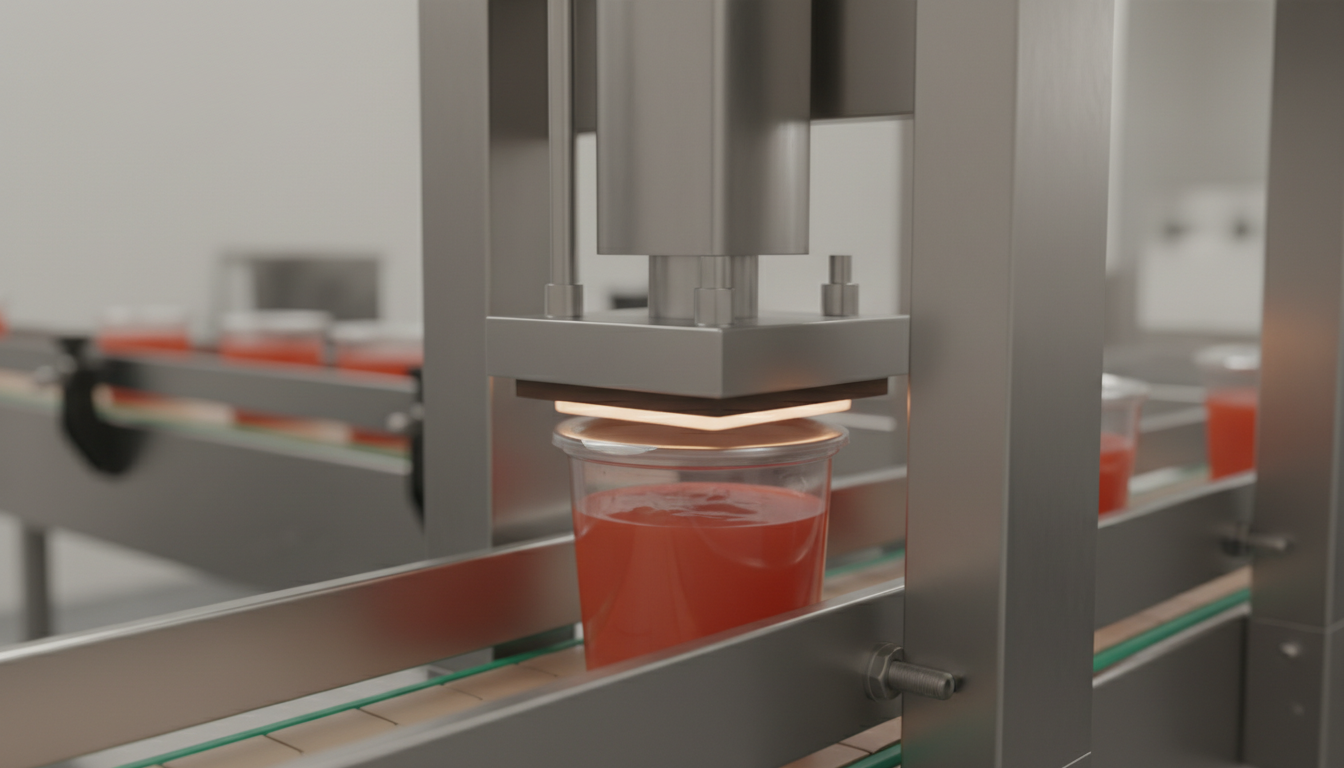
Mechanical issues are among the most frequent problems with food packaging machinery. These can range from minor hiccups to major malfunctions. Common mechanical problems include misaligned components, jammed parts, or worn-out belts and gears.
To troubleshoot mechanical issues, perform a visual inspection first. Look for any obvious signs of wear or damage. Ensure all parts are correctly aligned and securely fastened. If a part is worn out, it may need replacement to restore functionality.
Addressing Electrical Faults
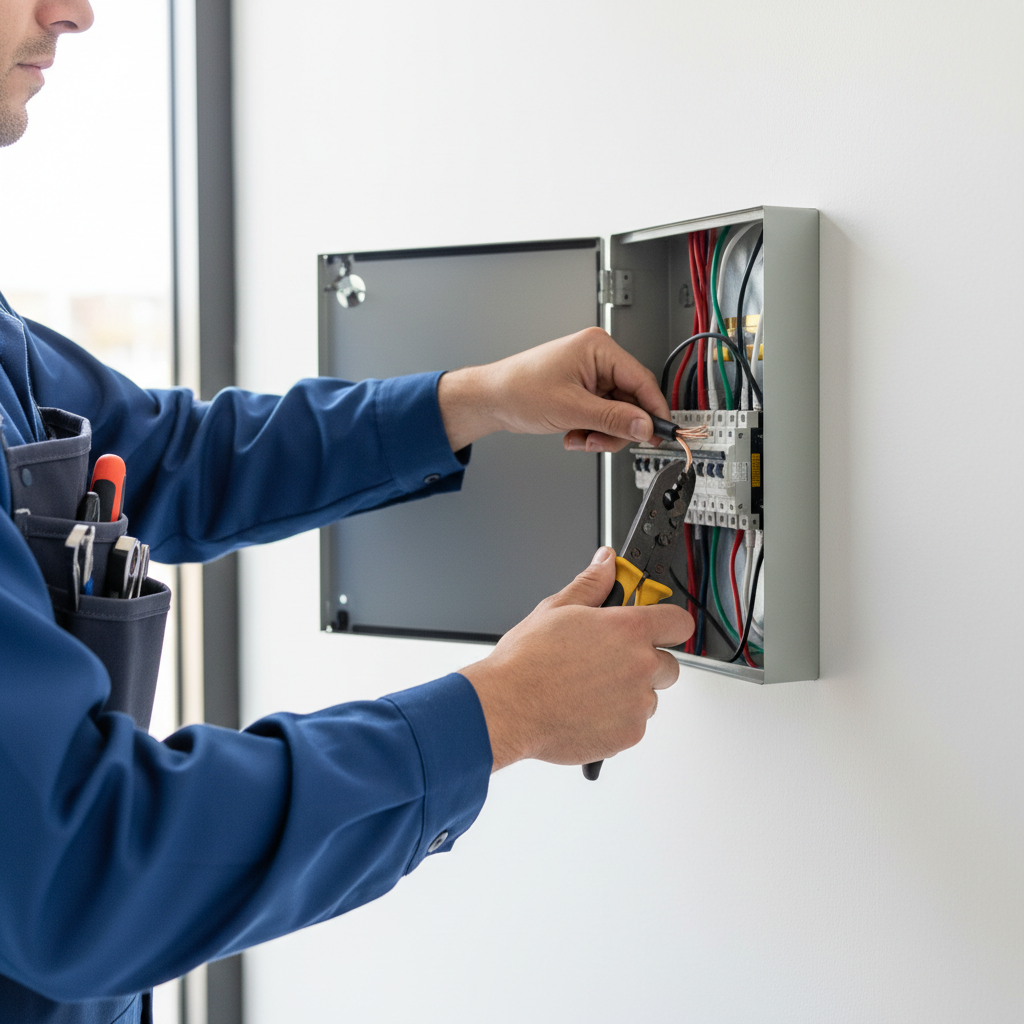
Electrical faults can also disrupt packaging operations. These issues might arise from faulty wiring, blown fuses, or malfunctioning sensors. To diagnose electrical problems, start by checking the power supply and ensuring all connections are secure.
If the issue persists, examine the fuses and replace any that are blown. It may be necessary to consult with a certified technician if the problem involves complex electrical components.
Maintaining Optimal Machine Performance
Regular maintenance is key to preventing issues with food packaging machinery. Establishing a routine maintenance schedule can help keep your equipment running smoothly and extend its lifespan.
Include tasks like cleaning, lubricating moving parts, and inspecting critical components in your maintenance routine. Regularly updating software and firmware also ensures that your machinery operates efficiently.
Handling Software Glitches
Software glitches can lead to significant downtime if not addressed promptly. These may manifest as system crashes, unresponsive controls, or incorrect settings. To troubleshoot, start by rebooting the system and checking for any available software updates.
If problems persist, consult the software manual or contact the manufacturer for support. In some cases, restoring the system to a previous stable state can resolve the issue.
Implementing Safety Protocols
Safety is paramount when working with food packaging machinery. Establishing clear safety protocols can prevent accidents and ensure a safe working environment. Ensure all operators are trained in both machine operation and emergency procedures.
Regularly review and update safety protocols to address any new risks. Implementing lockout/tagout procedures during maintenance can further enhance workplace safety.
Seeking Professional Assistance
Despite best efforts, some issues may require professional assistance. If a problem is beyond your expertise or if troubleshooting efforts are unsuccessful, it’s wise to contact a professional technician.
Professional technicians have the experience and tools necessary to diagnose and fix complex issues, minimizing downtime and ensuring your machinery operates at peak performance.
Conclusion
Troubleshooting food packaging machinery involves understanding the equipment, identifying issues, and implementing effective solutions. By following these guidelines, you can maintain efficient operations and reduce the likelihood of prolonged downtime.
Remember, regular maintenance and adherence to safety protocols are crucial for the longevity and reliability of your packaging machinery. When in doubt, don't hesitate to seek professional help to ensure your equipment continues to function optimally.