
How to Choose the Right Industrial Packaging Equipment for Your Business
Understanding Your Needs
Choosing the right industrial packaging equipment begins with a clear understanding of your specific needs. Consider the types of products you handle, their sizes, and the materials required for packaging. Knowing whether you need to package liquids, solids, or delicate items will significantly influence your choice.
Another critical factor is the volume of products you plan to package. High-volume operations may require automated solutions, while smaller operations might suffice with semi-automated or manual equipment.
Types of Packaging Equipment
There are various types of industrial packaging equipment available, each suited for different tasks. Some common types include:
- Filling Machines: Ideal for liquids, powders, or granules.
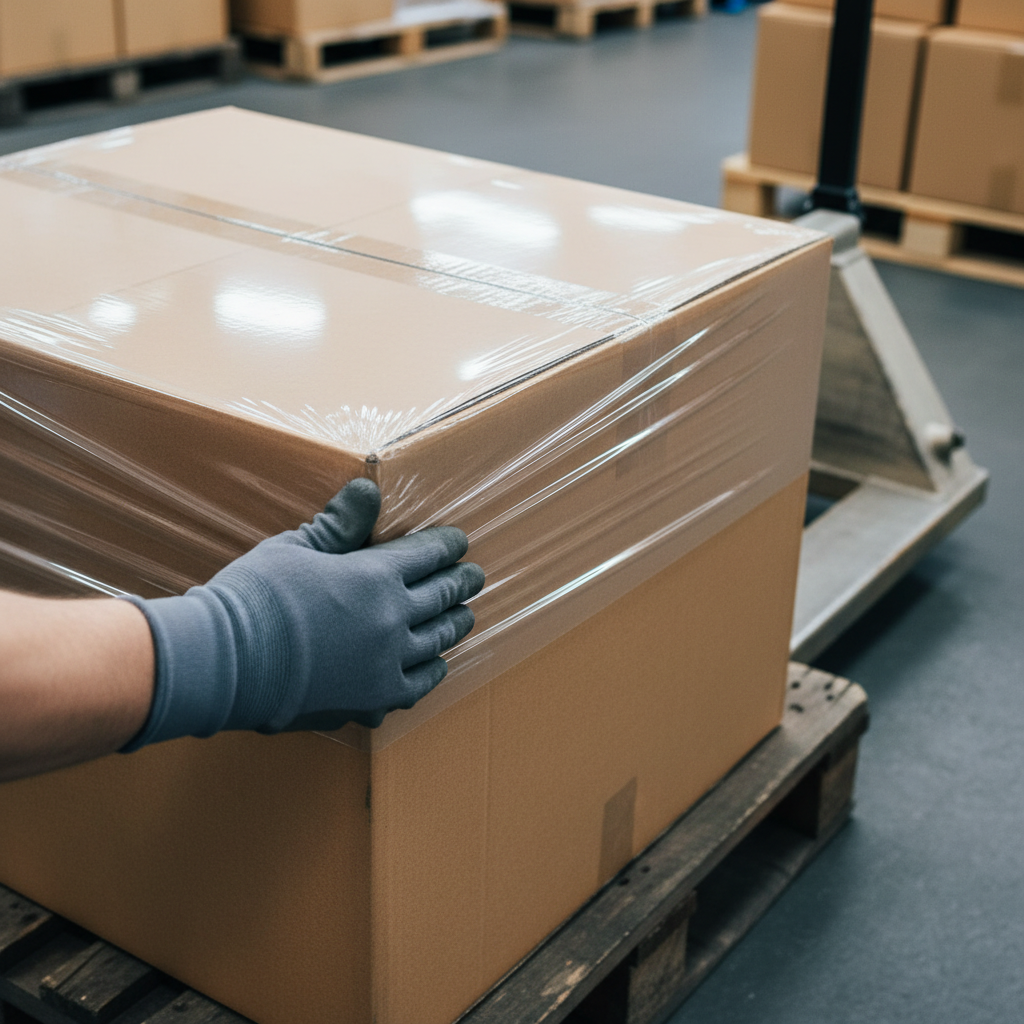
- Wrapping Machines: Used for bundling products.
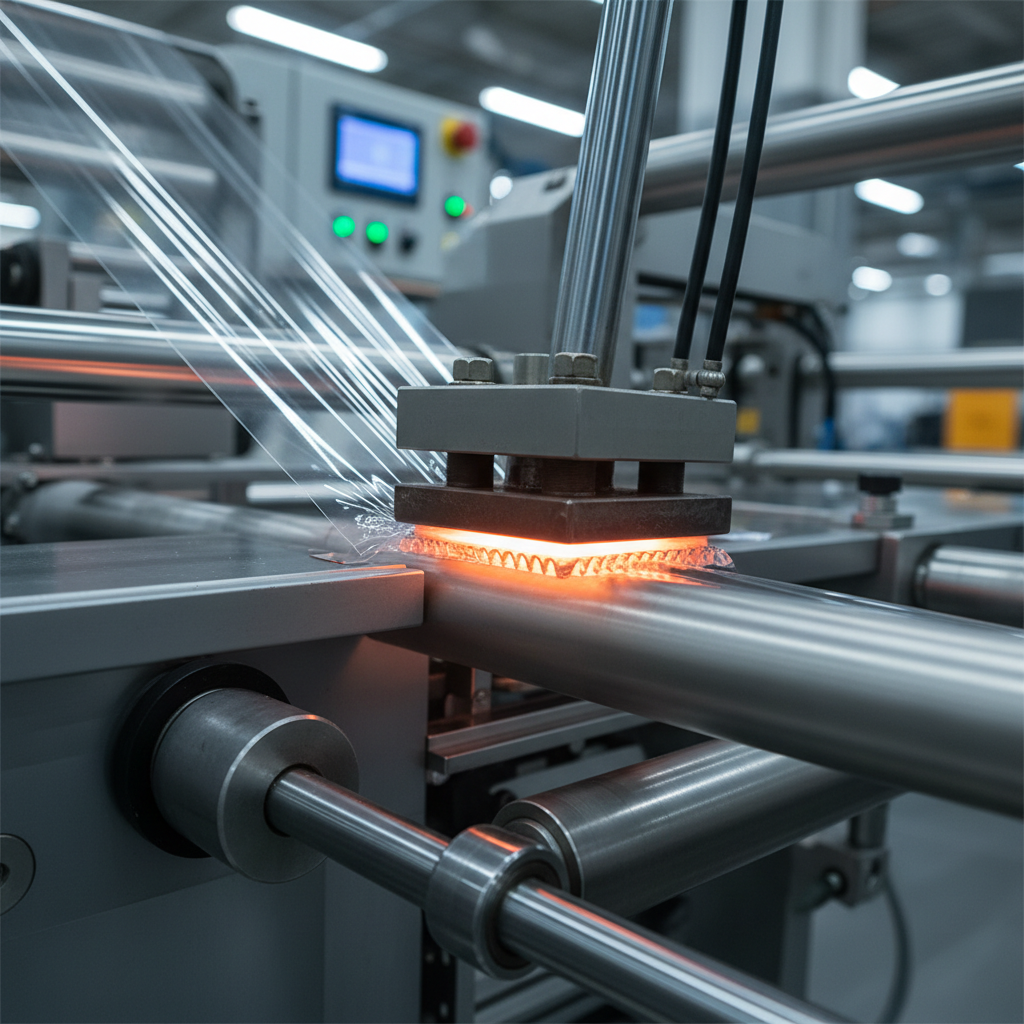
- Sealing Machines: Essential for ensuring packages are airtight.
- Labeling Machines: Important for branding and information dissemination.
Understanding these options will help you choose equipment that aligns with your production needs.
Evaluating Equipment Features
When selecting packaging equipment, pay attention to features that match your operational goals. Consider the speed, efficiency, and ease of use of the machinery. Advanced technology can offer automation and integration with existing systems, enhancing productivity.
Also, look for equipment that offers flexibility in handling different product sizes and types. This adaptability can be crucial if you plan to expand your product range in the future.
Budget Considerations
Your budget will significantly affect your equipment choice. It’s essential to balance cost with long-term benefits. While automated systems may have a higher initial cost, they can lead to savings through reduced labor and increased efficiency over time.
Consider financing options or leasing if upfront costs are a concern. This approach can allow you to access advanced equipment without a significant initial investment.

Supplier Reputation and Support
Choosing a reputable supplier is as important as selecting the right equipment. Look for suppliers with a track record of reliability and excellent customer support. The right partner will offer installation services, training, and ongoing maintenance support.
Reading reviews and requesting references can provide insights into a supplier’s reliability and customer service quality.
Compliance and Safety
Ensure that the equipment complies with industry standards and safety regulations. This compliance not only guarantees the safety of your workers but also protects your business from potential legal issues. Consider equipment that offers safety features such as emergency stops and protective guards.
Regular checks and maintenance are crucial to ensure that the equipment remains in safe working condition.