
How Automated Food Processing is Transforming the Industry in Boerne
Introduction to Automated Food Processing
In recent years, the food processing industry in Boerne has experienced a significant transformation, largely due to advancements in automation technology. The integration of automated systems is reshaping how food is produced, packaged, and delivered, leading to numerous benefits for businesses and consumers alike.
Automation in food processing not only enhances efficiency but also ensures consistency and safety, making it a crucial player in today’s fast-paced market. As Boerne continues to grow, the demand for innovative food processing solutions becomes even more imperative.
Enhancing Efficiency and Productivity
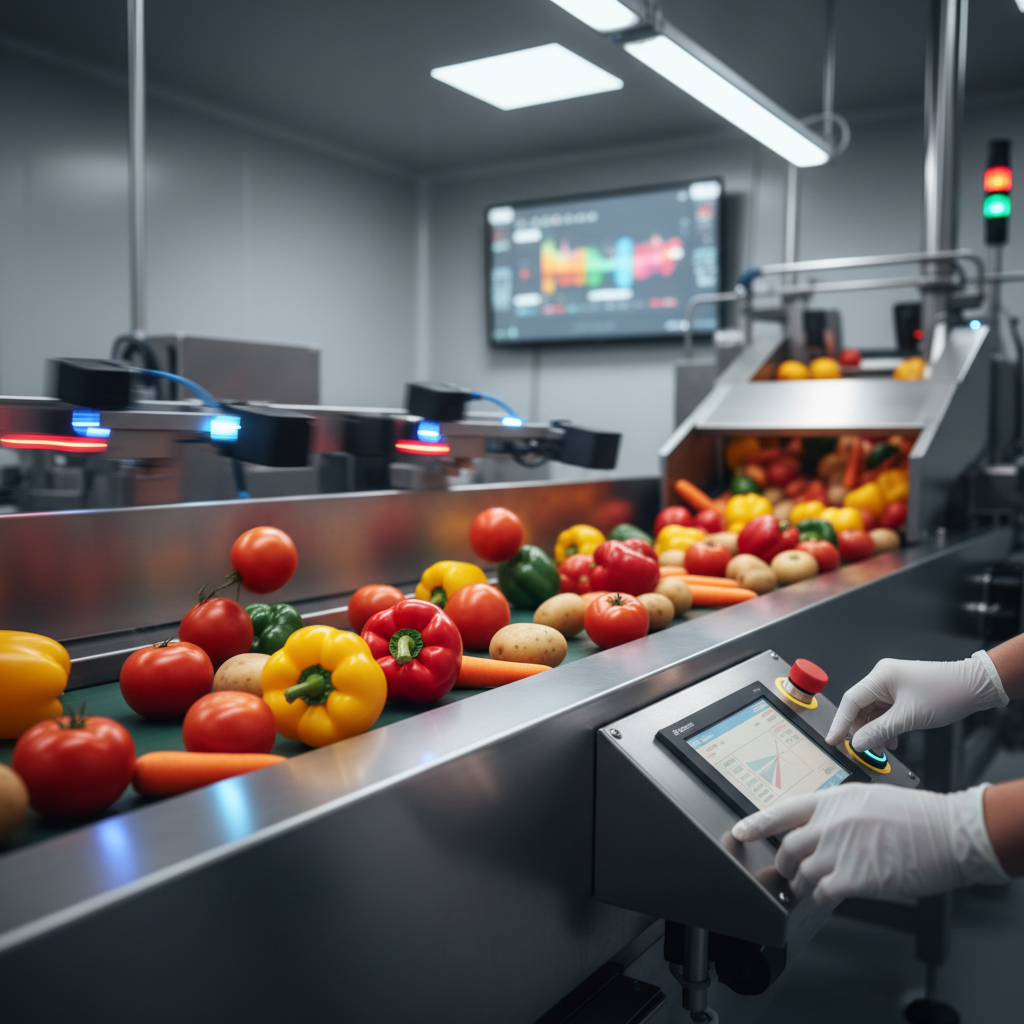
One of the primary benefits of automated food processing is the dramatic increase in efficiency and productivity. Automated systems can operate continuously, reducing downtime and allowing for faster production cycles. This means that businesses can meet growing consumer demands without compromising on quality.
Moreover, automation minimizes the risk of human error, which is crucial in maintaining product quality. By relying on precise machinery, companies can produce food items with consistent taste, texture, and appearance, ensuring customer satisfaction.
Streamlining Operations
Automated food processing also streamlines operations by integrating various stages of production. From sorting and packaging to quality control, automation facilitates seamless transitions between processes, reducing bottlenecks and enhancing overall workflow.
Improving Food Safety and Quality
Food safety is a top priority in the industry, and automation plays a vital role in upholding stringent standards. Automated systems are equipped with sensors and monitoring tools that detect contaminants and irregularities, preventing compromised products from reaching consumers.
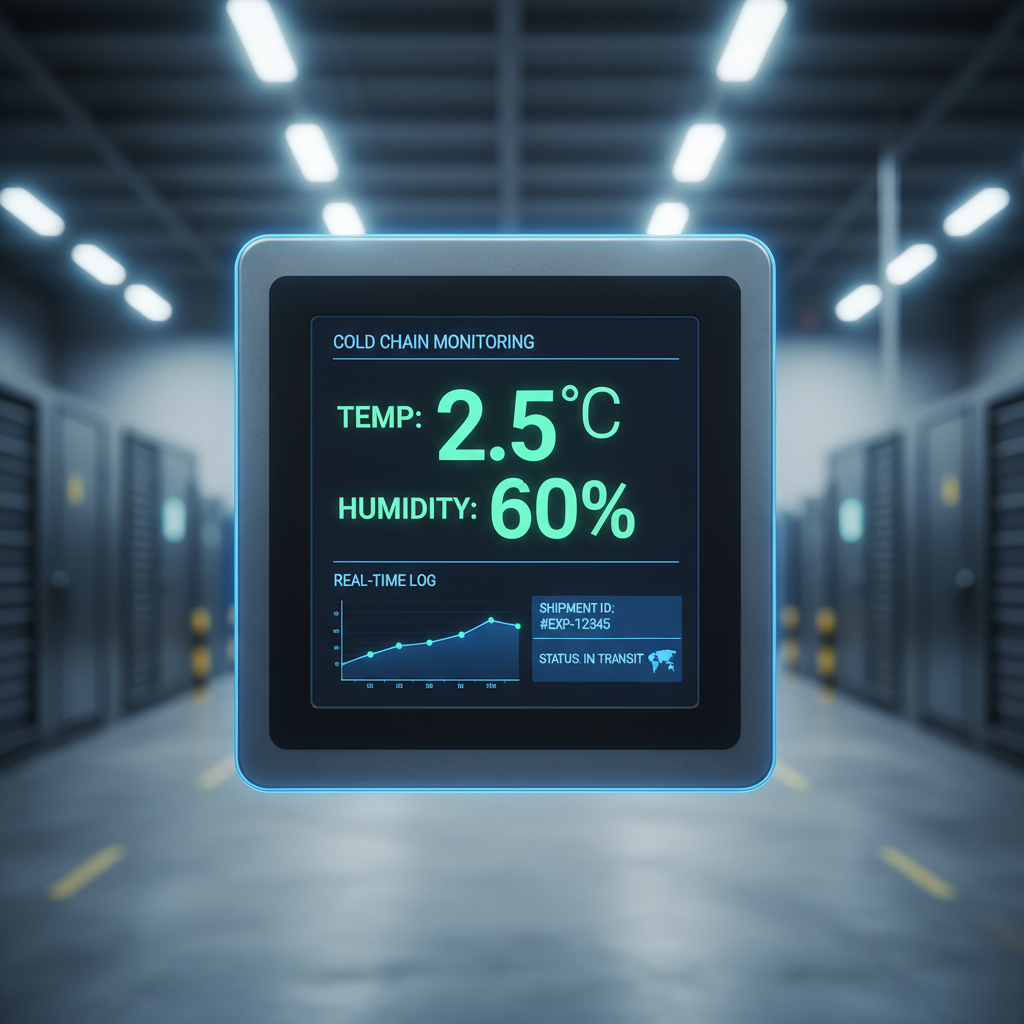
Additionally, automation allows for better traceability, enabling companies to track products throughout the supply chain. This capability is essential for addressing recalls and ensuring that all safety regulations are met.
Consistency in Quality
Consistency is key in the food industry, and automated systems deliver on this promise. By standardizing production processes, automation ensures that each product meets the same high-quality standards, fostering consumer trust and brand loyalty.
Challenges and Opportunities
Despite the numerous benefits, transitioning to automated food processing presents challenges. Initial setup costs can be high, and businesses must invest in training employees to work alongside advanced technology. However, these challenges are outweighed by the long-term advantages.
Opportunities abound for companies willing to embrace automation. By staying at the forefront of technological advancements, businesses in Boerne can gain a competitive edge, expand their market reach, and contribute to a sustainable future.
The Future of Food Processing in Boerne
As technology continues to evolve, the future of food processing in Boerne looks promising. Innovations such as artificial intelligence and machine learning are expected to further revolutionize the industry, offering even greater efficiency and customization options.
In conclusion, automated food processing is not just a trend but a necessary evolution for the industry. By adopting these technologies, Boerne’s food processing sector is well-positioned to thrive in the years to come.