
Common Myths About Industrial Food Packaging Debunked
Introduction
Industrial food packaging is an essential part of the food supply chain, but it’s often misunderstood. Myths and misconceptions can lead to confusion about its purpose, safety, and sustainability. In this blog post, we’ll debunk some of the most common myths surrounding industrial food packaging.
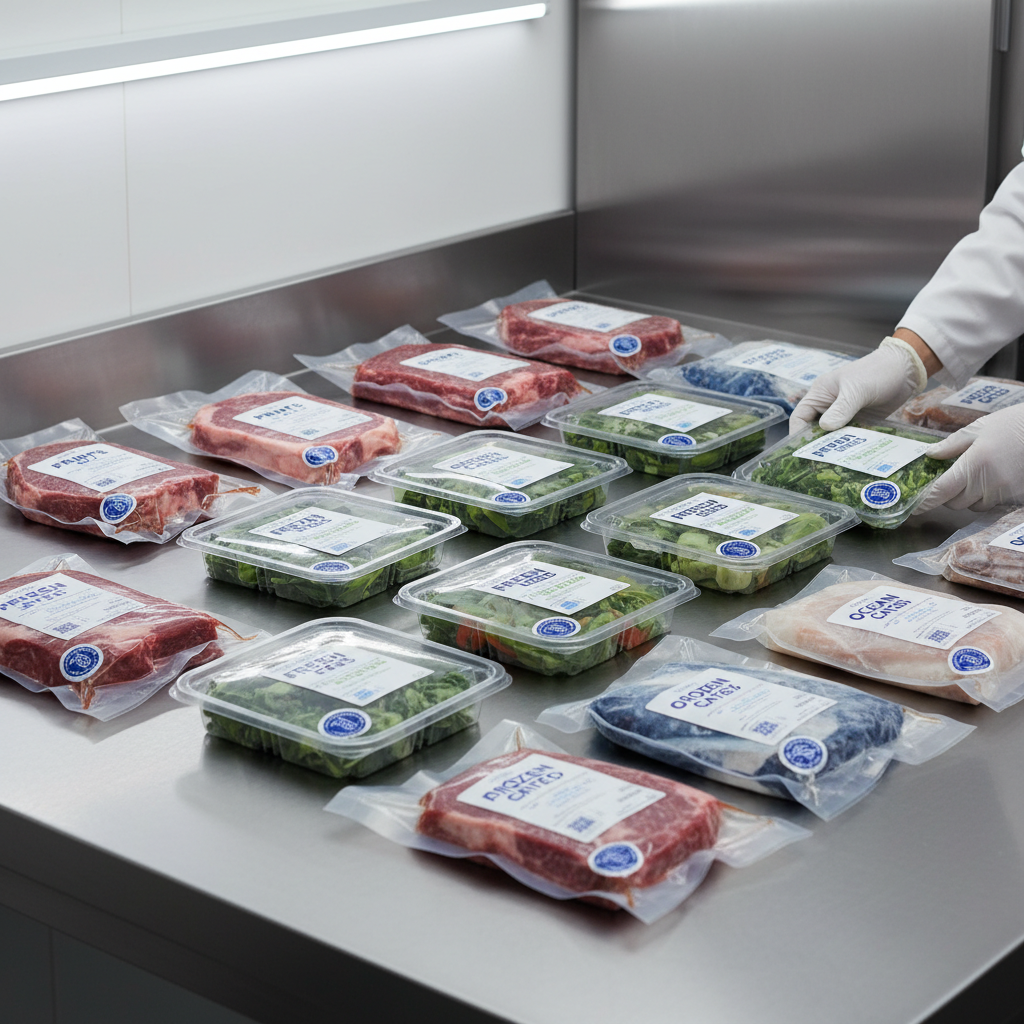
Myth 1: Industrial Packaging is Harmful to the Environment
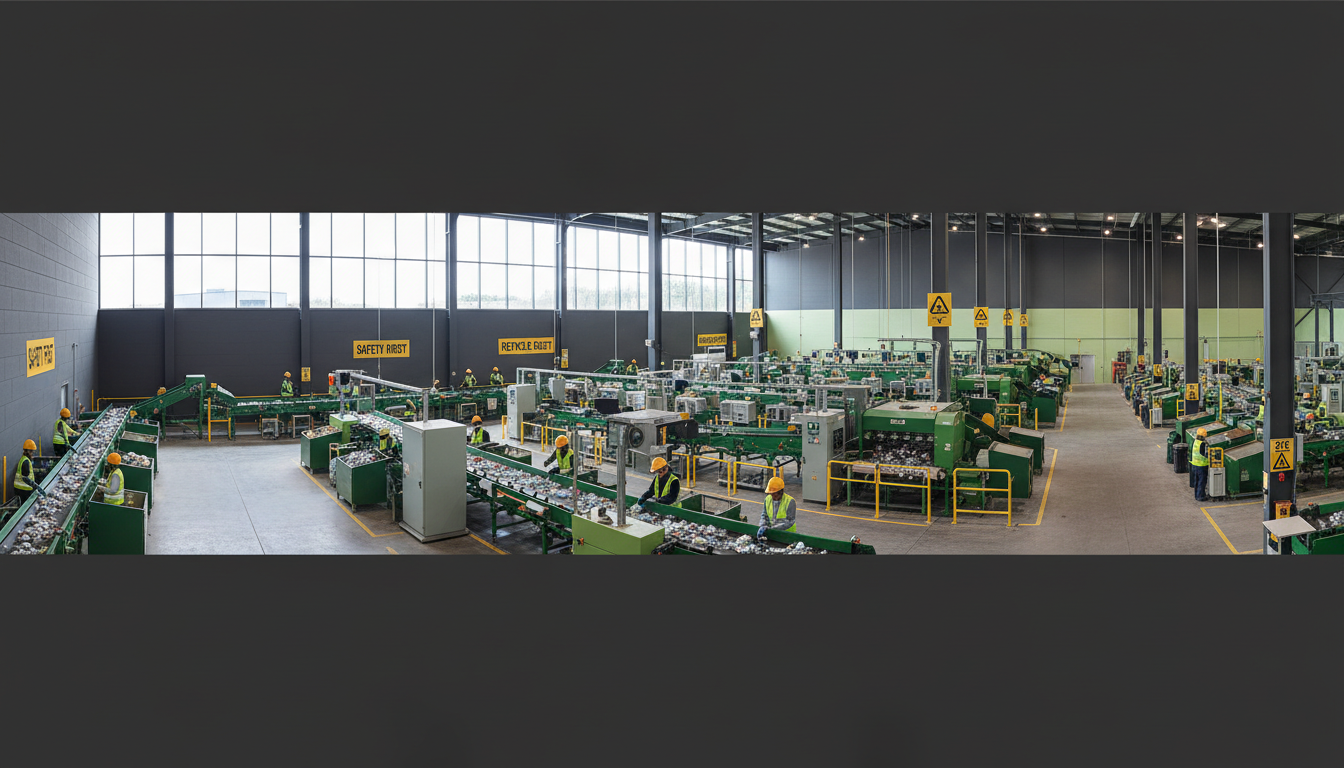
One of the most persistent myths is that all industrial packaging is detrimental to the environment. While packaging does contribute to waste, many companies are actively working to reduce their environmental impact. Advances in biodegradable materials and recycling programs are helping to address these concerns.
In fact, many packaging materials are now made from recycled content, and innovations continue to improve the sustainability of packaging solutions. Consumers are encouraged to recycle appropriately to further support these efforts.
Myth 2: Packaging is Unnecessary
Some people believe that food packaging is unnecessary and merely adds to waste. However, packaging plays a critical role in preserving food quality and safety. It helps to protect products from contamination, prolongs shelf life, and reduces food spoilage.
Without proper packaging, food loss would significantly increase, resulting in higher waste levels and economic losses. Packaging is essential for maintaining the integrity of food products during transportation and storage.

Myth 3: All Packaging Contains Harmful Chemicals
There is a common concern that food packaging contains harmful chemicals that can leach into food. However, stringent regulations and testing ensure that packaging materials are safe for use. Organizations like the FDA and EFSA evaluate and regulate materials to ensure consumer safety.
Manufacturers are continuously developing safer materials, including BPA-free plastics and alternatives to traditional materials, to align with health standards and consumer expectations.
Myth 4: Recyclable Packaging is Always Eco-Friendly
While recyclable packaging is a step in the right direction, it's not always the most eco-friendly option. The recycling process itself requires energy and resources, which can offset some of the environmental benefits.
Consumers should be aware that reducing and reusing are often more effective strategies for minimizing environmental impact. Opting for products with minimal packaging or reusable options can be more beneficial in the long run.
Conclusion
Industrial food packaging is often misunderstood, leading to misconceptions that can influence consumer behavior and policy decisions. By debunking these myths, we can better appreciate the role of packaging in maintaining food safety, reducing waste, and protecting the environment. With continued innovation and a focus on sustainability, the future of food packaging looks promising.