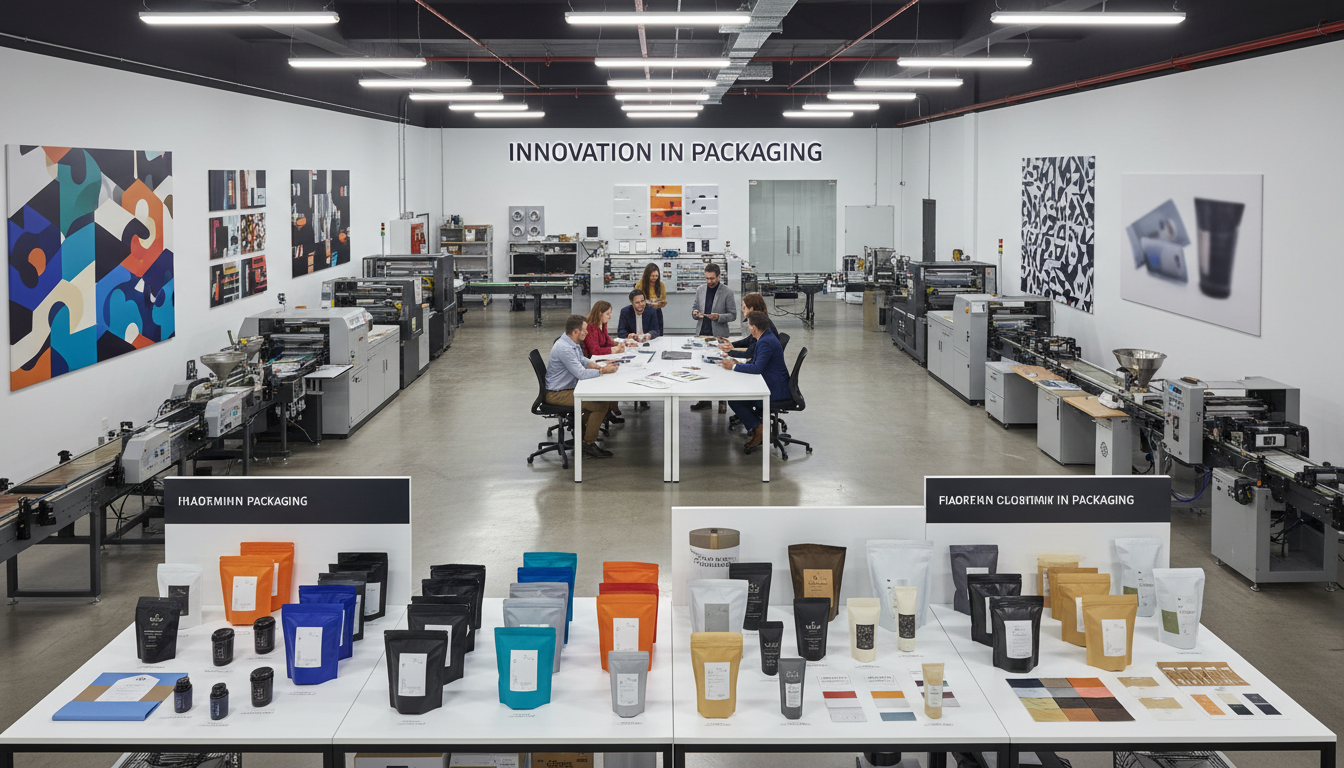
Common Misconceptions About Food Packaging Machinery
Understanding Food Packaging Machinery
Food packaging machinery is an essential component of the food industry, yet it is often misunderstood. Many people believe these machines are overly complex, costly, or unnecessary. However, understanding their true function and benefits can dispel these myths and highlight their importance in the food supply chain.
Myth 1: Food Packaging Machinery Is Too Expensive
A common misconception is that food packaging machinery is prohibitively expensive. While initial costs can be significant, the long-term benefits often outweigh the expenditure. These machines increase efficiency, reduce labor costs, and minimize waste, ultimately saving businesses money over time. Additionally, various financing options and scales of machinery are available to suit different budgets.
Myth 2: Machines Are Too Complicated to Operate
Another frequent myth is the complexity of operating food packaging machinery. In reality, many modern machines are designed with user-friendly interfaces and require minimal training. Automation and technological advancements have made them more accessible to operators, allowing for quick adaptation and smooth integration into existing processes.

The Environmental Impact of Packaging Machinery
There is a belief that food packaging machinery contributes negatively to the environment. However, many machines are now designed with sustainability in mind. They use less energy, support eco-friendly packaging materials, and reduce overall waste. These innovations help companies meet environmental standards and reduce their carbon footprint.
Myth 3: Packaging Machines Compromise Product Quality
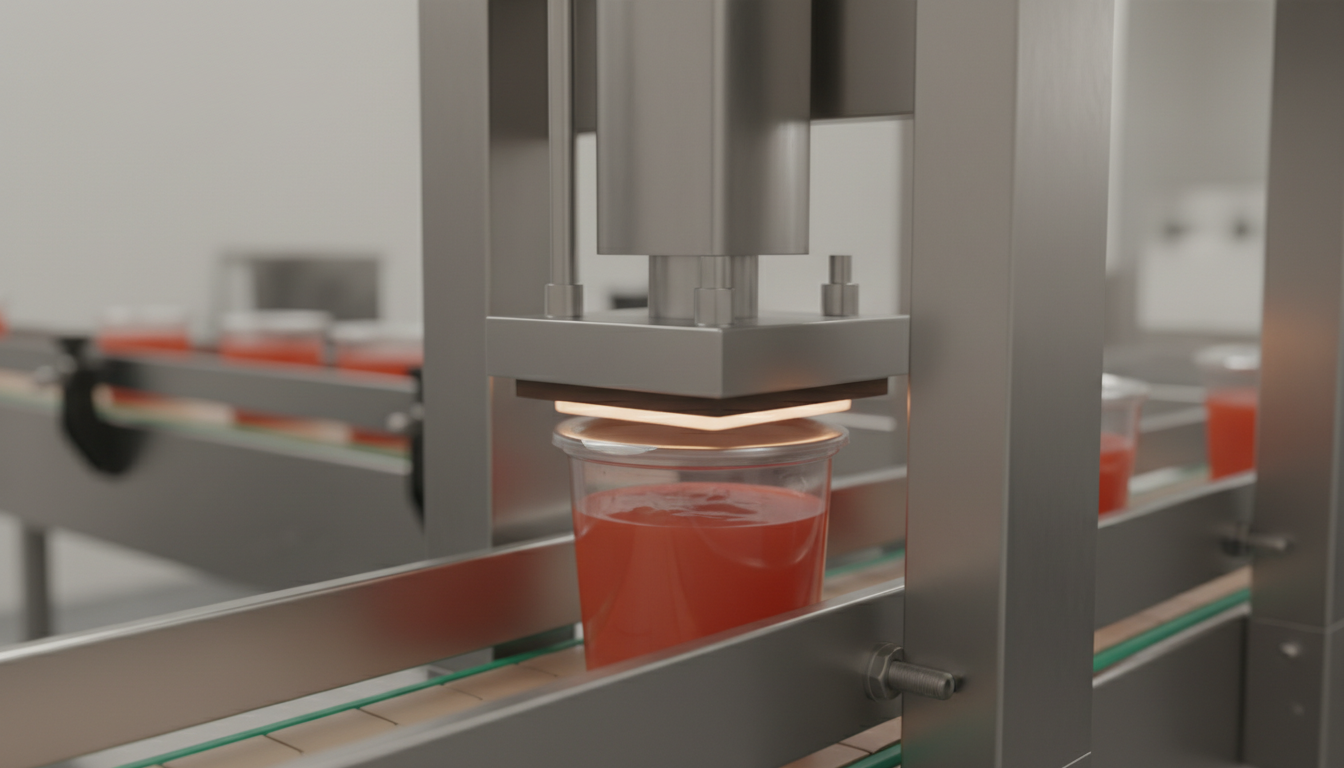
Some argue that using machinery in food packaging can compromise product quality. On the contrary, these machines often enhance quality by providing consistent, hygienic, and airtight sealing, which helps preserve freshness and extend shelf life. Advanced technologies ensure that products are handled with care and precision.

Customization and Flexibility
Another misconception is the lack of customization and flexibility in food packaging machinery. In truth, modern machines are highly adaptable and can be customized to meet specific product requirements. They can handle various packaging types and sizes, offering versatility to manufacturers.
Myth 4: Manual Packaging Is Just as Efficient
Some businesses believe that manual packaging can be as efficient as using machinery. While manual methods may work for small-scale operations, they are often less efficient and more prone to errors. Automated machinery can handle large volumes quickly and accurately, providing a significant advantage in productivity.
Conclusion
Understanding the realities of food packaging machinery can clear up many misconceptions. These machines are not only cost-effective and user-friendly but also environmentally sustainable and adaptable to different needs. Embracing these technologies can lead to improved efficiency and product quality, making them an invaluable asset in the food industry.