
Boerne's Food Packaging Regulations: What Manufacturers Need to Know
Understanding the food packaging regulations in Boerne is crucial for manufacturers looking to operate within the legal framework and maintain consumer trust. These regulations are designed to ensure safety, transparency, and sustainability in the food industry.
As a manufacturer, you must stay informed about these rules to avoid potential fines and disruptions to your business. Let's explore the key aspects of Boerne's food packaging regulations that you need to know.
Labeling Requirements
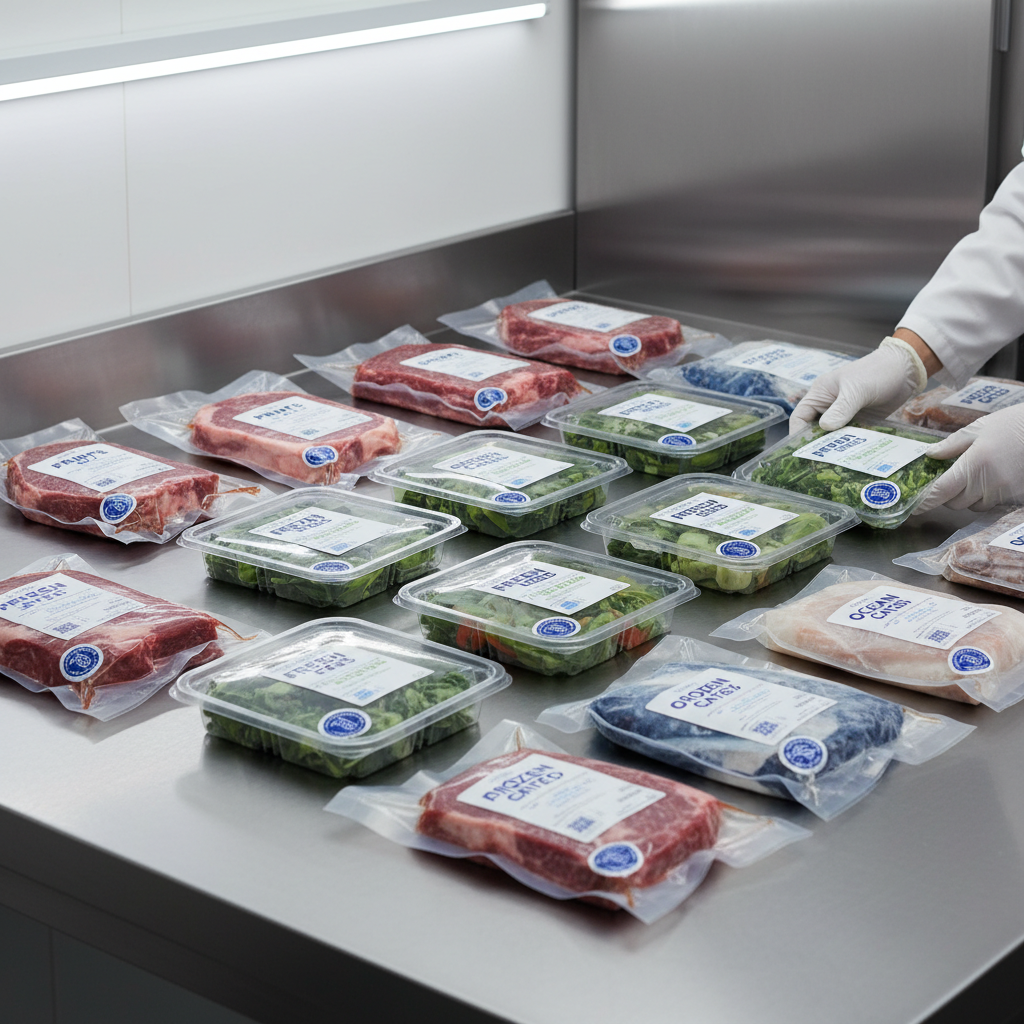
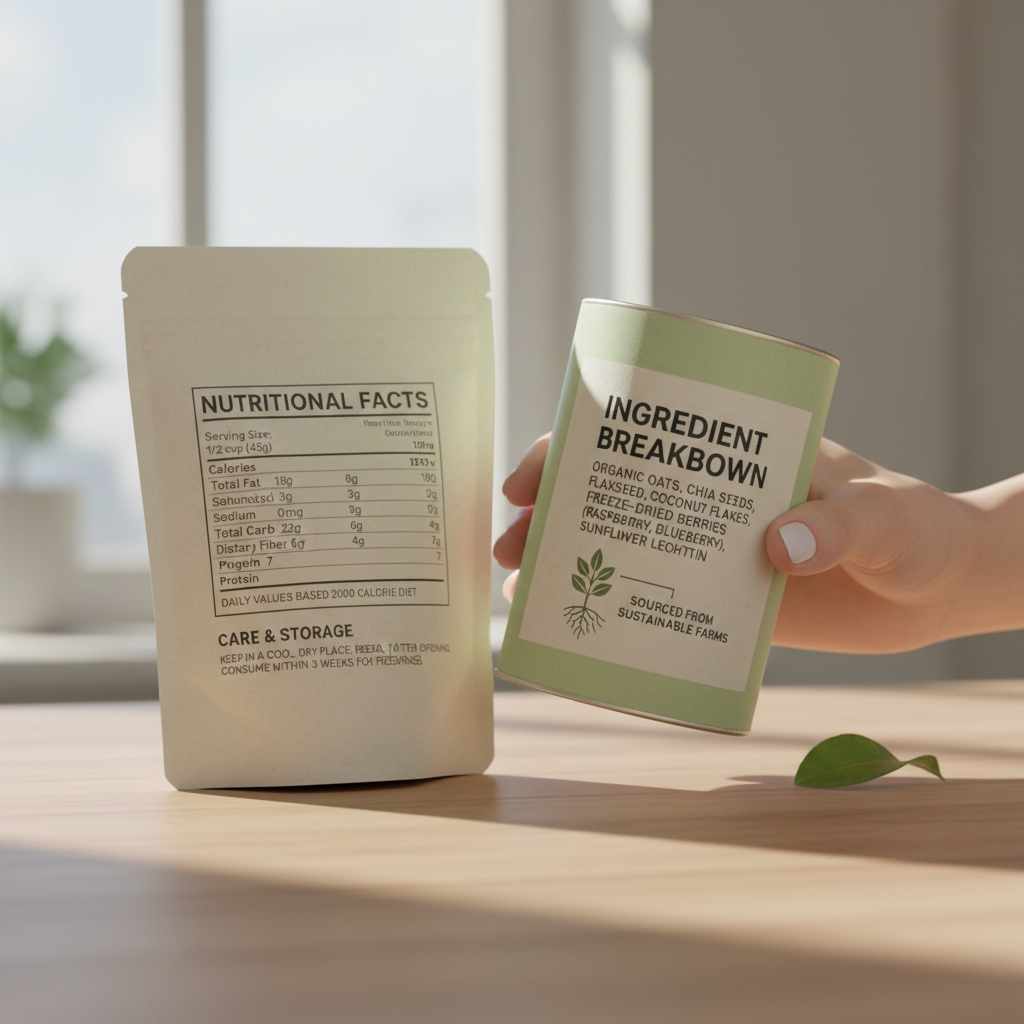
One of the most important aspects of food packaging regulations is proper labeling. In Boerne, labels must clearly display essential information, including the product name, list of ingredients, net quantity, and nutritional facts. This information helps consumers make informed decisions about the products they purchase.
Additionally, labels should include any potential allergens present in the product. It's vital to ensure that this information is accurate and up-to-date to prevent consumer health risks and potential legal issues.
Compliance with Local and Federal Standards
Boerne's regulations align with federal standards, but there may be additional local requirements. Manufacturers must ensure that their packaging complies with both sets of regulations. This might involve regular updates to labeling practices and packaging materials to meet evolving standards.
Sustainability and Environmental Impact
Environmental concerns are a growing focus in food packaging regulations. Boerne encourages manufacturers to adopt sustainable packaging solutions that minimize environmental impact. This includes using recyclable materials and reducing packaging waste wherever possible.
Implementing sustainable practices not only helps the environment but also enhances your brand image, appealing to environmentally conscious consumers.
Materials and Safety Standards
The materials used in food packaging must meet specific safety standards to ensure they do not contaminate food products. Manufacturers need to use approved materials that prevent chemical leaching and maintain the product's integrity during transportation and storage.

Inspections and Compliance Checks
Regular inspections are conducted to ensure compliance with Boerne's food packaging regulations. These checks are essential to maintaining the safety and quality of food products available to consumers. Non-compliance can lead to penalties, product recalls, and damage to a company's reputation.
Manufacturers should conduct internal audits and work with legal experts to ensure they meet all regulatory requirements, reducing the risk of violations.
Staying Informed and Updated
Regulations can change, and it's essential for manufacturers to stay informed about any updates to packaging laws. Subscribing to industry newsletters, participating in relevant workshops, and consulting with regulatory experts can help businesses stay ahead of regulatory changes.
By staying proactive and informed, manufacturers can ensure they remain compliant and continue to thrive in the competitive food industry landscape.