
A Beginner's Guide to Understanding Food Packaging Machinery
Introduction to Food Packaging Machinery
Food packaging machinery plays a crucial role in the food industry, ensuring products are safely sealed, labeled, and ready for distribution. For beginners, understanding the basics of these machines can be a daunting task. However, breaking down the components and processes can make it much more approachable.
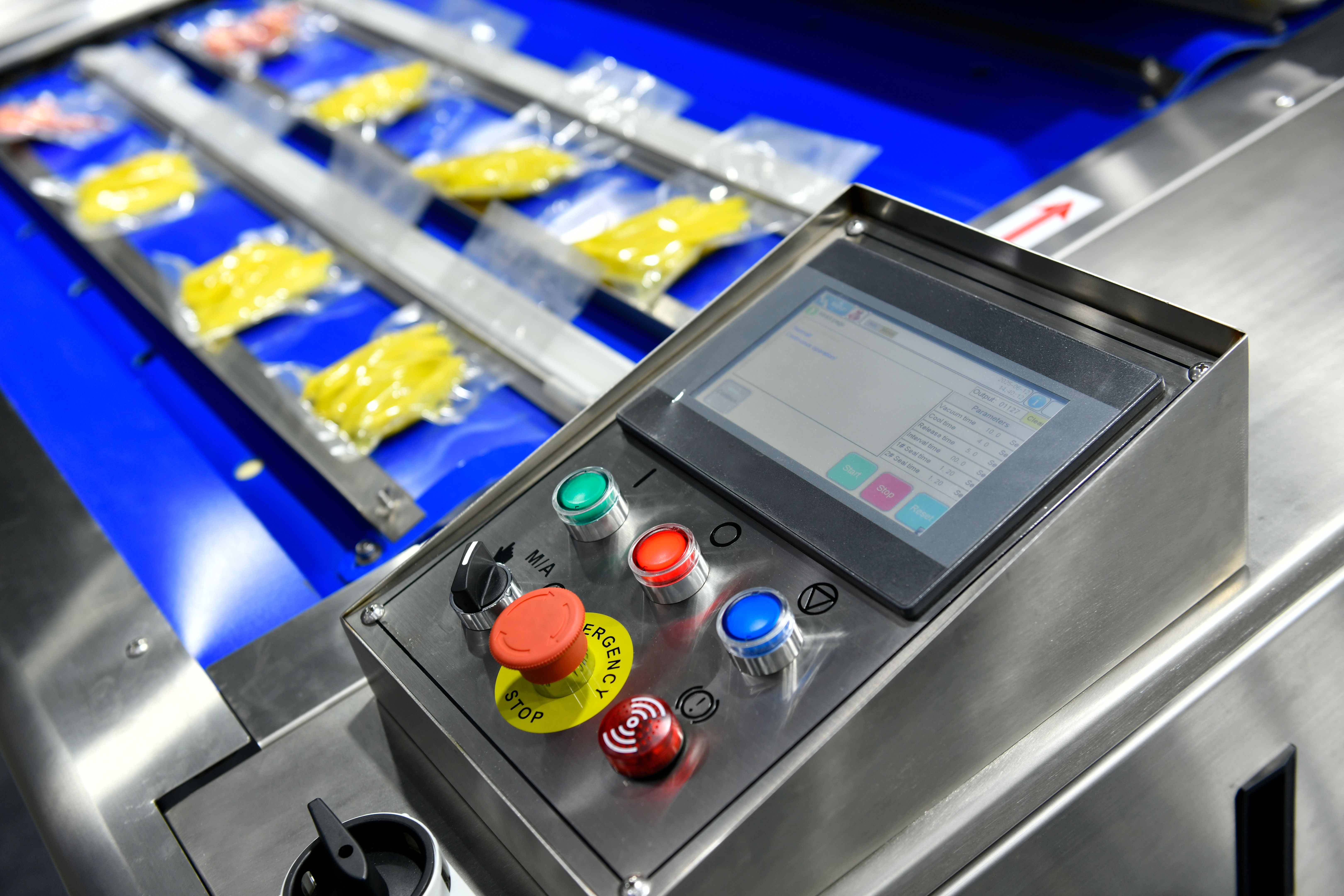
Types of Food Packaging Machinery
There are several types of food packaging machinery, each designed for specific functions. Some common types include:
- Filling Machines: These machines fill containers with the correct amount of product, from liquids to powders.
- Sealing Machines: They ensure that packages are airtight, preserving the product’s freshness.
- Labeling Machines: These apply labels to containers for branding and information purposes.
Key Components of Packaging Machines
Most food packaging machines consist of several key components, each playing a vital role in the packaging process. These components often include:
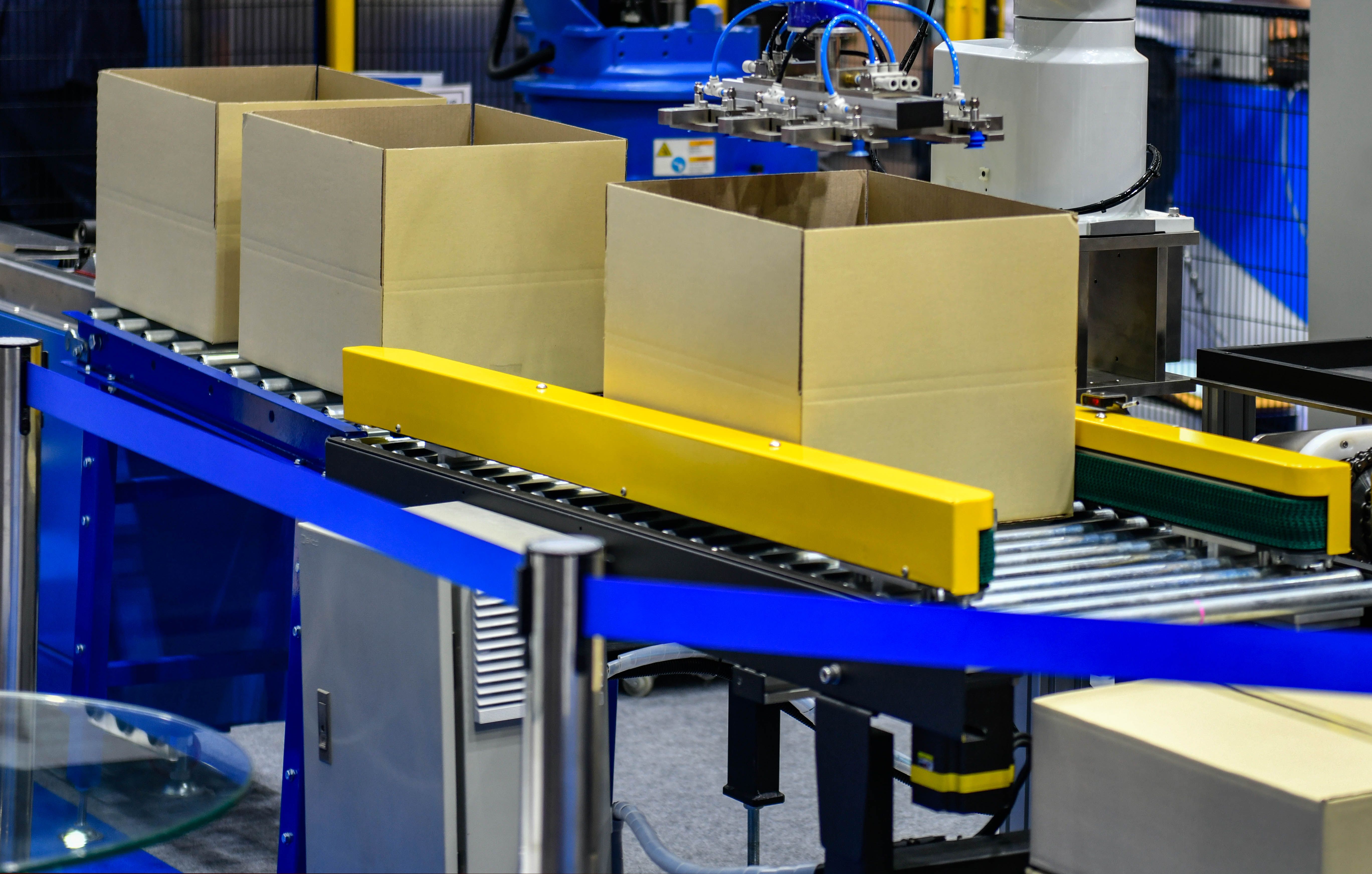
- Conveyor Systems: Move products through the different stages of packaging.
- Control Panels: Allow operators to manage the machine’s functions.
- Feeders: Supply the product to the machine for packaging.
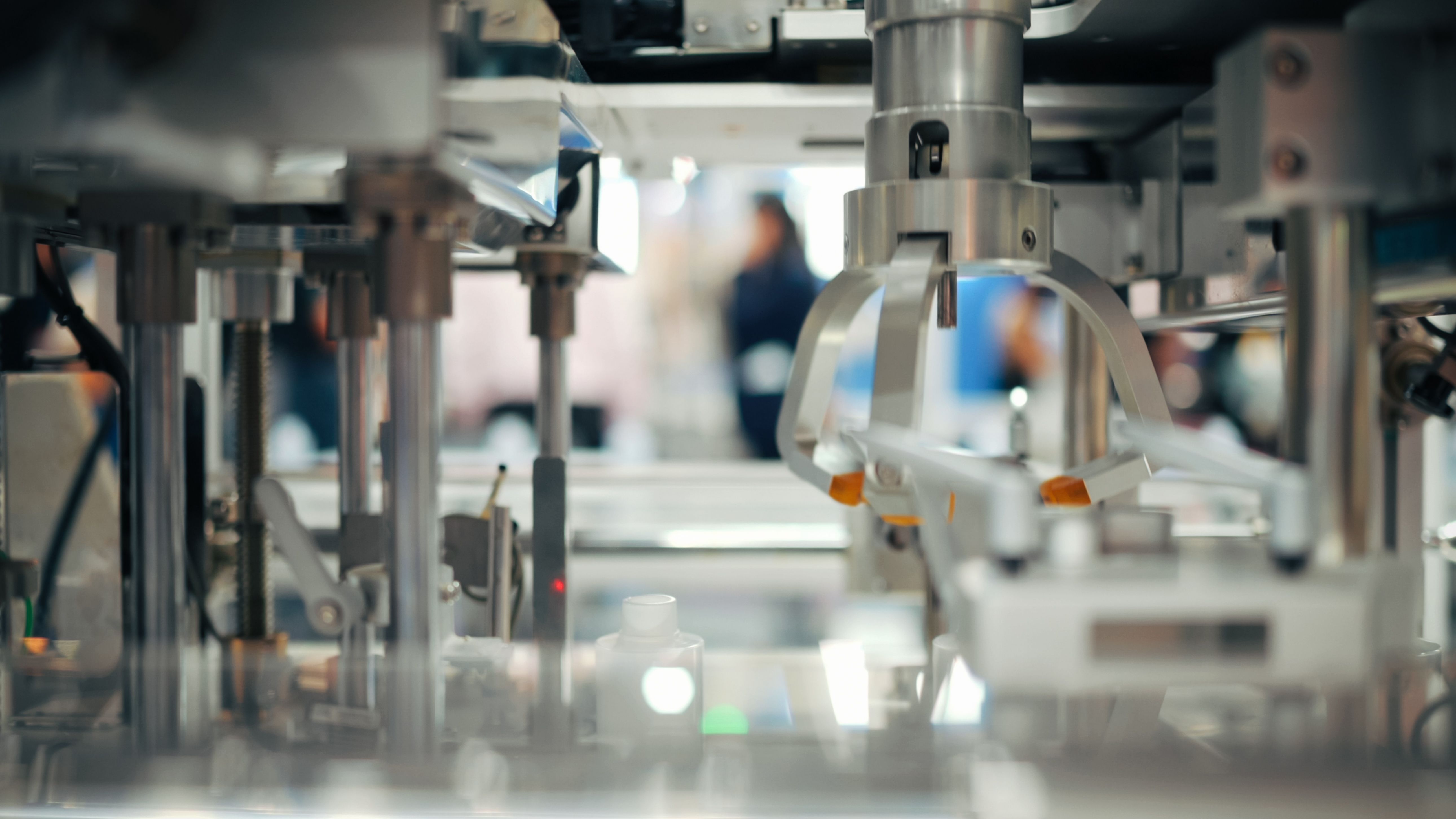
Understanding Automation in Packaging
Automation has revolutionized food packaging, increasing efficiency and consistency. Automated machines reduce the need for manual labor, which minimizes human error and speeds up production. For businesses, this means lower costs and higher productivity.
Automated systems can be customized to handle different product sizes and shapes, making them versatile for various industries. As technology advances, these systems are becoming more sophisticated, offering even more precise operations.
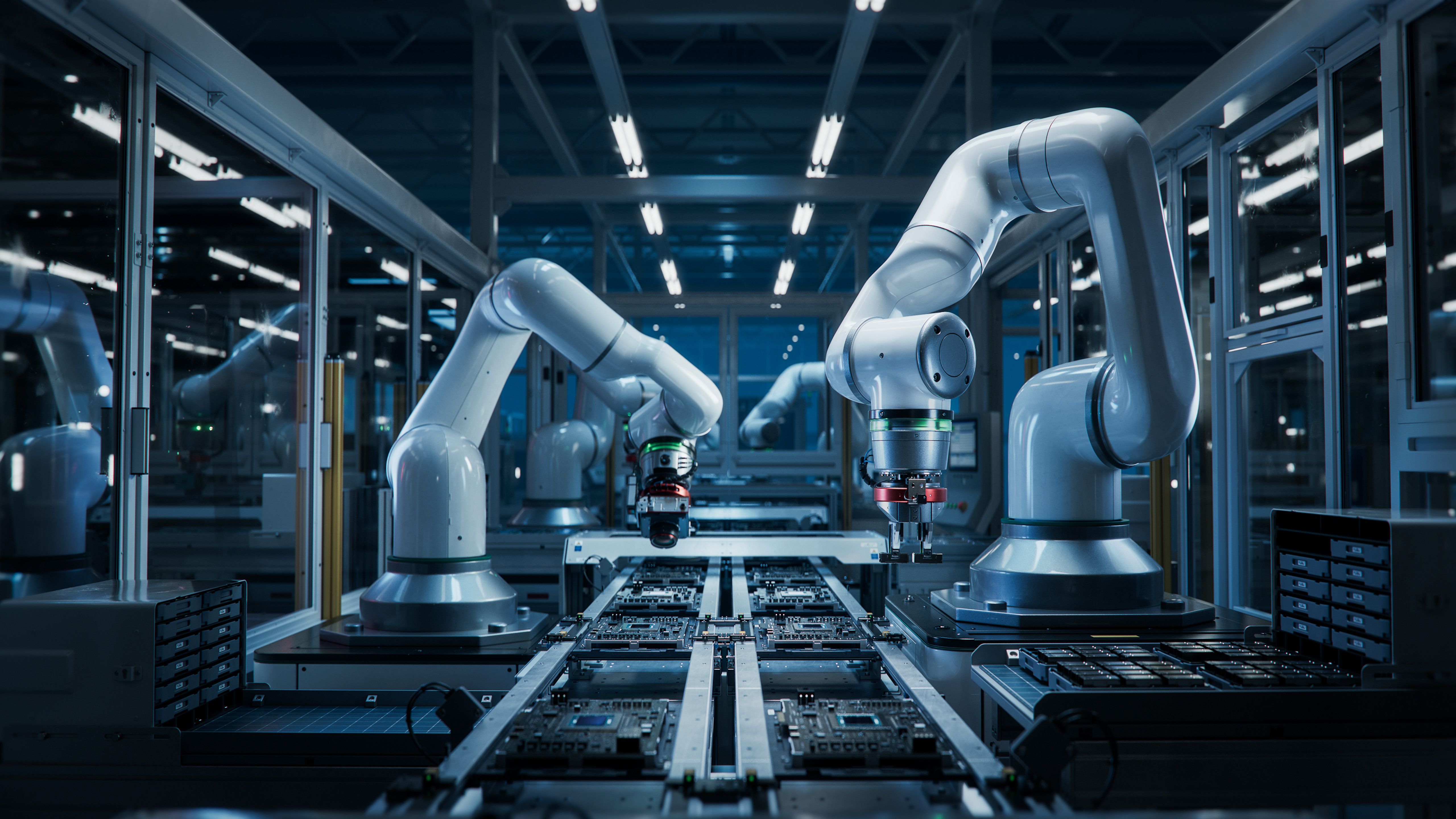
Benefits of Modern Packaging Machinery
The benefits of modern food packaging machinery are numerous. They offer increased speed and accuracy, leading to improved product quality. Additionally, they provide a hygienic packaging environment, essential for food safety standards.
Furthermore, modern machines often have energy-efficient features, contributing to a more sustainable packaging process. This is particularly important as the industry moves towards greener practices.
Choosing the Right Equipment
Selecting the right packaging machinery depends on several factors, including the type of food product, production volume, and budget. It's important to assess these needs carefully to ensure you invest in equipment that aligns with your business goals.
Consulting with experts or suppliers can provide valuable insights into the best machinery for your specific requirements. They can offer guidance on the latest technologies and help tailor solutions to fit your operational needs.
Maintenance and Troubleshooting
Regular maintenance is essential to keep packaging machinery running smoothly. Scheduled checks and timely repairs can prevent costly downtime. Operators should be trained to handle basic troubleshooting to quickly resolve minor issues.
Implementing a comprehensive maintenance plan can extend the lifespan of your equipment, ensuring reliable performance for years to come.